Choosing the 2026 best machine translation software requires more than comparing language counts or monthly prices. Global buyers need accurate product pages, readable checkout instructions, and consistent technical terms. A mistranslated warning on a battery label can create confusion. A wrong decimal in a specification can damage trust.
CSA Research reported that 76% of online shoppers prefer product information in their own language. Its research also found that 40% would not buy from websites written in other languages. These findings explain why translation quality affects revenue, not merely convenience. The 2024 European Language Industry Survey also shows that artificial intelligence and machine translation are reshaping professional language workflows. Yet adoption does not remove the need for review. It changes where review matters most.
Philipp Koehn, a leading machine translation researcher and author, has described the field plainly: “Machine translation is not a solved problem.” That warning should guide every software shortlist. The strongest platforms now combine neural translation, terminology controls, translation memory, glossary enforcement, privacy settings, and human post-editing. Buyers should test real content, including product variants, shipping terms, measurements, and customer-support replies. A polished demo may hide weak performance on short sentences or industry jargon. I have found that the fastest tool is not always the safest choice. Sometimes, a slower review prevents an expensive correction later. This guide evaluates leading machine translation software through that practical lens, while acknowledging one uncomfortable truth: no platform performs equally well across every language pair, market, or business context.
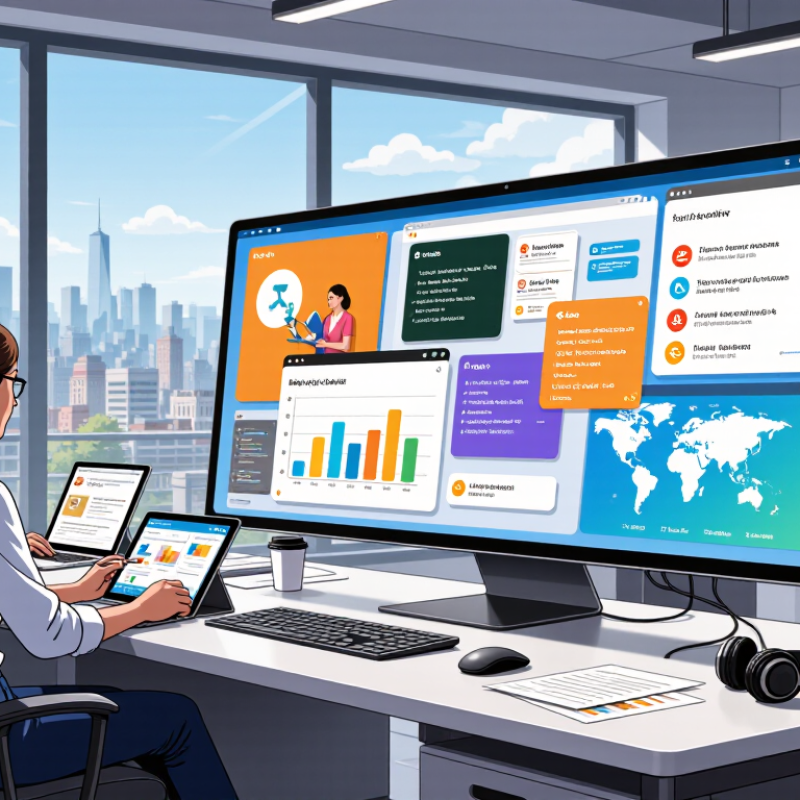
Machine translation software helps global buyers understand product pages, specifications, shipping details, and support messages in familiar language. It can translate thousands of listings within minutes. That speed matters when buyers compare suppliers across several markets.
The demand is measurable. CSA Research’s 2020 study surveyed 8,709 consumers in 29 countries. It found that 76% prefer product information in their own language, while 40% will not purchase from websites written in other languages. For buyers, machine translation reduces search friction. It also helps procurement teams review supplier catalogs, compare technical terms, and identify missing information before requesting a quotation. Small details matter. A translated voltage, material grade, or delivery condition can change a buying decision.
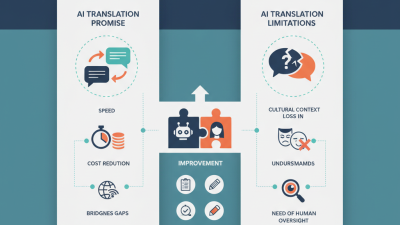
Good software does more than replace words. It uses translation memory, terminology controls, and language-specific quality checks. These tools keep repeated specifications consistent across product pages and documents. However, accuracy is not automatic. Machine translation may miss tone, abbreviations, local measurement habits, or the meaning of a warranty phrase. The 2023 Nimdzi Language Industry Report also highlights the growing role of technology-assisted translation, but technology still requires skilled human oversight for important content. A practical workflow marks uncertain sentences for review, especially in technical descriptions and customer service replies. This extra step costs time. Sometimes, it prevents a much larger misunderstanding.
| Evaluation Dimension | What Global Buyers Need | Typical Machine Translation Capability | Business Impact |
|---|---|---|---|
| Language Coverage | Support for the source and target languages used across supplier markets, customer regions, logistics providers, and internal teams. | Modern neural translation systems commonly support major world languages and many regional language pairs. Coverage and quality vary by language pair, subject area, and text type. | Helps buyers review international catalogs, quotations, specifications, and supplier communications without limiting sourcing to one language region. |
| Translation Quality | Clear and accurate translations for product descriptions, purchase terms, technical documents, and customer-facing content. | Neural machine translation generally produces more fluent results than older rule-based systems, but human review remains important for legal, safety-critical, and highly specialized content. | Reduces misunderstandings during product evaluation and improves the speed of cross-border communication. |
| Terminology Management | Consistent translations for product names, material specifications, compliance terms, shipping conditions, and procurement vocabulary. | Many professional tools provide glossaries, approved term lists, or custom terminology rules that guide the translation engine. | Keeps technical and commercial language consistent across suppliers, departments, markets, and repeated buying cycles. |
| Translation Memory | Reuse of previously approved translations for recurring product information, standard clauses, instructions, and supplier templates. | Translation memory stores source-and-target text segments and can suggest previously translated matches for identical or similar content. | Improves consistency and can reduce review effort when global buyers process repeated or frequently updated documents. |
| Document and File Support | Processing of common procurement files such as spreadsheets, presentations, word-processing documents, PDFs, web pages, and product catalogs. | Business-oriented systems often support multiple file formats while attempting to preserve layout, tables, headings, and basic formatting. Complex layouts may require manual checking. | Allows buyers to translate source materials without copying every sentence into a separate text editor. |
| Optical Character Recognition | Extraction and translation of text from scanned quotations, photographs, labels, certificates, packaging, and image-based PDFs. | OCR-enabled workflows can detect text in images before translation. Accuracy depends on image quality, typography, handwriting, and document structure. | Makes older or scanned supplier documents searchable and easier to compare during purchasing decisions. |
| Real-Time Communication | Fast translation for email, chat, online meetings, customer inquiries, and supplier negotiations. | Web interfaces, browser tools, mobile applications, and messaging integrations can provide near-instant text translation. Voice features may require separate speech-recognition processing. | Shortens response times and supports smoother communication across time zones and language barriers. |
| API and Workflow Integration | Connection with procurement portals, supplier management systems, e-commerce platforms, help desks, content systems, and internal applications. | Commercial translation services commonly offer APIs or connectors for automated text submission, translation retrieval, language detection, and workflow routing. | Reduces manual copying and enables translation to become part of existing purchasing and supplier-management processes. |
| Human Review Workflow | Review and approval of translations for contracts, regulatory documents, safety information, product claims, and high-value transactions. | Professional platforms may support reviewer assignment, comments, change tracking, approval stages, and side-by-side source and target views. | Combines machine speed with human judgment where an incorrect translation could create financial, legal, or operational risk. |
| Data Privacy and Security | Protection for confidential pricing, supplier contracts, product designs, customer information, and procurement negotiations. | Security controls may include encryption in transit, access management, account administration, data-retention settings, and enterprise compliance documentation. Exact controls differ by service and plan. | Helps organizations assess whether sensitive content can be processed under internal security policies and contractual obligations. |
| Customization Options | Adaptation to industry language, preferred writing style, product terminology, and regional communication standards. | Depending on the service, customization may include glossaries, translation memories, style instructions, domain-specific models, or feedback-based adaptation. | Produces translations that are more aligned with the buyer’s product categories, market position, and internal communication standards. |
| Quality Evaluation | A practical way to check whether translations are accurate enough for product comparison, supplier selection, and publication. | Quality can be evaluated through human review, error categorization, terminology checks, consistency checks, and task-specific sampling. Automated scores should not be treated as a complete substitute for expert review. | Helps buyers select the right level of review for low-risk communications and high-risk commercial or technical content. |
| Pricing Structure | Predictable costs for occasional document translation, high-volume catalog work, API usage, and team collaboration. | Common pricing approaches include free usage limits, subscription plans, character- or word-based charges, document fees, API consumption charges, and enterprise contracts. | Enables buyers to match translation spending with document volume, automation needs, language coverage, and required security controls. |
| Scalability and Administration | Support for multiple users, departments, countries, suppliers, and growing volumes of translated content. | Team-oriented systems may include user roles, centralized billing, usage reports, shared terminology resources, project management, and administrative controls. | Makes it easier to standardize translation practices across procurement, sales, support, logistics, and compliance teams. |
| Best-Fit Use Cases | A clear distinction between content suitable for automated translation and content requiring professional linguistic review. | Machine translation is well suited to first-pass research, routine correspondence, product discovery, internal summaries, and high-volume content. Contracts, safety instructions, certifications, and regulated claims require qualified review. | Helps global buyers gain speed while controlling the risks associated with inaccurate or contextually inappropriate translations. |
Note: Actual language support, file compatibility, security controls, customization, pricing, and translation quality vary by software configuration, service plan, language pair, domain, and workflow.






.avif)


.png)