Choosing China’s best audio language translator for global buyers requires more than comparing translation languages. A reliable audio language translator must perform in real conversations, not only polished showroom demonstrations. At a busy Guangzhou trade fair, voices overlap, machinery hums, and speakers change direction quickly. These details expose weak microphones and delayed speech recognition. They matter.
Experienced buyers should examine microphone pickup, translation latency, battery endurance, screen readability, and software update support. Offline language packs can help in airports or factories with unstable internet access. However, offline accuracy may differ from cloud performance. That difference needs honest testing. Check return terms, data handling, warranty coverage, and compatibility with local charging standards. Independent reviews, supplier documentation, and sample trials provide stronger evidence than sales claims. A supplier should explain supported dialects, privacy settings, and limitations without hiding behind technical language.
China offers broad manufacturing experience, competitive customization, and many translator designs for travel, trade, and hospitality. Yet “best” depends on the buyer’s route, languages, budget, and service expectations. A device built for Mandarin-English meetings may struggle with regional accents or crowded outdoor speech. We have seen promising prototypes fail after long use. That is an uncomfortable but useful reminder. Global buyers should compare recorded results, not impressive packaging. The final choice should balance measurable performance, responsible data practices, after-sales support, and realistic user needs. No translator replaces patience. Clear speech still helps. This guide examines practical evidence before recommending China-made solutions for international buyers.
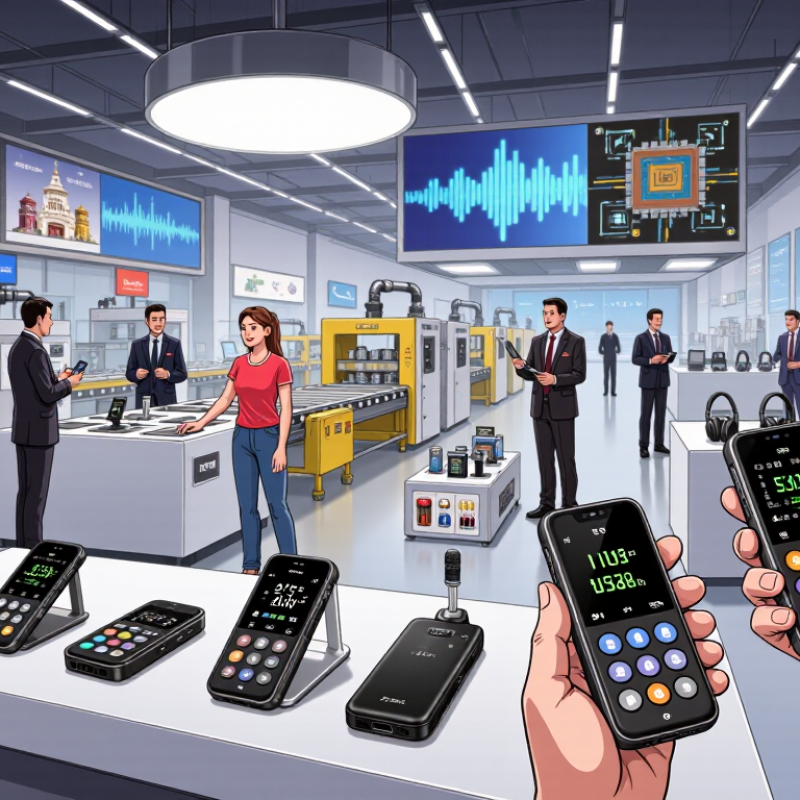
China’s audio language translators can suit global buyers when they combine broad language coverage with practical, dependable operation. CSA Research’s 2020 survey found that 76% of online consumers preferred product information in their own language, while 40% said they would not buy from websites in other languages. These figures concern online shopping, not translator performance, but they show why clear multilingual communication matters. Buyers should check supported languages, regional accents, and whether translation works offline. A menu listing many languages is not enough.
In a noisy exhibition hall, a useful device should capture speech clearly, display translated text, and recover quickly when speakers pause. Battery life, charging options, and simple controls also matter during long travel days. Test the device with real conversations, not only a scripted demo. Translation quality varies. Short phrases may work well, while technical terms or overlapping speech can still cause errors. Treat the output as assistance, not guaranteed interpretation.
Tips: Ask for a live test using your target languages and a moderately noisy setting. Confirm offline language availability, update requirements, and how recorded audio is handled. Compare the quoted language list with your actual destinations; some features may depend on internet access. A little uncertainty remains, so keep a backup communication method for important discussions.
| Evaluation Dimension | What Global Buyers Should Check | Why It Matters | Practical Buying Note |
|---|---|---|---|
| Language coverage | Confirm supported languages and, where relevant, regional accents for both speech recognition and spoken translation. | Language counts and available features can differ by device, software version, and translation mode. | Ask for a current language list and test the exact language pairs needed for your market. |
| Online and offline use | Determine which languages work without an internet connection and whether offline translation requires downloaded language packs. | Online services may rely on network access; offline functions are often more limited. | Test offline performance before travel, especially for less commonly supported language pairs. |
| Connectivity and regional compatibility | Check Wi-Fi requirements, mobile-network bands if cellular connectivity is included, and service availability in destination countries. | A device may support a network standard but still depend on local coverage, compatible bands, or a separate data plan. | Request the technical specifications and verify them with local carriers before ordering. |
| Speech pickup and playback | Review microphone performance, speaker volume, and support for headphones or external audio where available. | Background noise, distance, and overlapping speakers can affect speech recognition and conversation quality. | Evaluate the device in a realistic setting rather than relying only on quiet-room demonstrations. |
| Battery and charging | Compare stated standby and active-use times, charging connector, and included power accessories. | Continuous listening, screen use, and network activity can reduce runtime compared with standby figures. | Request test conditions for battery claims and check charger compatibility for the destination market. |
| Privacy and data handling | Review whether audio is processed on the device or through online services, plus the provider’s privacy policy and data-retention options. | Speech may contain personal or confidential information, and online processing can involve data transmission. | Do not use a consumer translator for sensitive conversations unless its data practices meet your requirements. |
| Software updates and support | Confirm update availability, supported operating regions, warranty terms, repair options, and customer-service languages. | Translation features and security depend partly on ongoing software and service support. | Get warranty and support commitments in writing before placing a bulk order. |
| Compliance and import requirements | Check applicable radio, electrical-safety, battery-transport, labeling, and consumer-product requirements in the destination market. | Requirements vary by country and by the device’s wireless and power features. | Ask the supplier for relevant test reports and verify acceptance with your importer or compliance adviser. |
| Translation accuracy and intended use | Test common phrases, names, numbers, and conversational speech in your actual use case. | Automated translation can make errors, particularly with context, specialist terminology, and unclear speech. | Use a qualified human interpreter for legal, medical, or other high-stakes communication. |
| Total cost of ownership | Compare device price with data charges, subscriptions, accessories, shipping, duties, and after-sales costs. | A low purchase price may not include every service or cost needed for regular use. | Request a written quotation that separates hardware, recurring fees, shipping, and applicable taxes. |
Note: Features, language availability, network compatibility, and service terms vary by model and destination market. Verify specifications with the supplier before purchase.








.avif)


.png)