2026 Best Localization Companies for Global Business Growth?
The rise of globalization has transformed how businesses operate. Companies are reaching audiences across diverse regions. In this evolving landscape, localization companies play a critical role. They help brands adapt their messaging, products, and services for different cultures. According to industry expert Maria Johnson, “Effective localization bridges gaps and fosters authentic connections.” This highlights the importance of cultural nuances in successful marketing strategies.
Localization companies provide tailored solutions. They ensure that content resonates with local audiences. This process involves translation, cultural adaptation, and market research. However, not all companies excel in this space. Some overlook the complexities of language and culture, which can lead to miscommunication. The need for quality localization is paramount. Businesses must choose their partners carefully.
As we approach 2026, the localization industry is expected to grow. New technologies and trends will shape the future. Yet, companies must remain vigilant. They should reflect on past experiences and learn from mistakes. Localization is not merely about translation; it’s about crafting meaningful experiences. The best localization companies will guide businesses in this transformative journey.

Key Factors in Choosing Localization Companies for Global Expansion
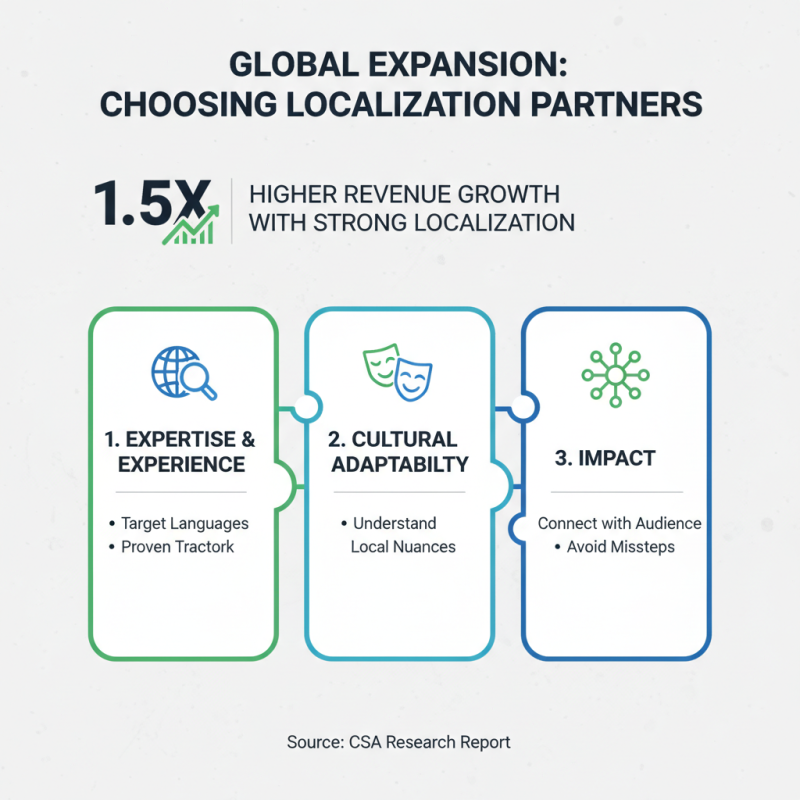
When expanding globally, choosing the right localization company is crucial. A recent report by CSA Research indicates that companies with strong localization efforts can achieve 1.5 times higher revenue growth. Selecting a partner involves assessing various factors. Evaluate the company’s expertise in your target languages. Experience is key. Adaptability to local cultures is equally important. Companies that fail to understand cultural nuances may struggle to connect with their audience.
Consider the company's technology capabilities. Many leading firms utilize AI and machine learning to optimize translations. A report by Nimdzi Insights highlights that 83% of the top localization companies leverage technology to enhance efficiency. This can significantly reduce time-to-market. Additionally, look for companies that offer comprehensive services, including marketing adaptation and technical support.
Tip: Request case studies from potential localization partners. Real-world examples can reveal effectiveness. Another tip: prioritize communication. A good localization firm should be responsive. If they are slow to reply during initial conversations, this could signal issues in project management later on. It’s important to reflect on these points before entering a partnership.
Top Localization Services for Diverse Language Needs in 2026
In 2026, localization services are vital for businesses seeking global expansion. The demand for diverse language needs is at an all-time high. According to a recent industry report, the localization market will reach approximately $50 billion by 2026. Companies can no longer rely solely on English for international growth. They must adapt to local languages and cultures.
Language barriers can hinder business relationships. Miscommunications lead to misunderstandings. For instance, 72% of consumers prefer to buy products in their native language. This statistic highlights the critical need for effective localization. Without it, businesses risk losing potential customers. The localization process involves translation, cultural adaptation, and sensitivity to local customs. Many companies overlook these aspects, resulting in failed campaigns.
Moreover, not all localization providers deliver quality results. Some may focus on the cost, sacrificing accuracy. It’s essential for businesses to choose providers who understand their specific needs. Regular reviews and feedback loops are necessary for improvement. The right localization strategy can enhance brand presence and customer trust. Yet, it requires ongoing effort and reflection to refine the approach continuously.
2026 Best Localization Companies for Global Business Growth
| Service Type |
Languages Offered |
Average Turnaround Time |
Pricing Model |
Customer Satisfaction Rating |
| Translation |
100+ |
3-7 days |
Per word |
4.8/5 |
| Localization |
75+ |
1-2 weeks |
Project-based |
4.5/5 |
| Transcription |
50+ |
2-5 days |
Per minute |
4.7/5 |
| Subtitling |
60+ |
3-10 days |
Per minute |
4.6/5 |
| Cultural Consulting |
Various |
Varies |
Hourly |
4.9/5 |
Innovative Techniques in Localization for Enhanced Market Reach
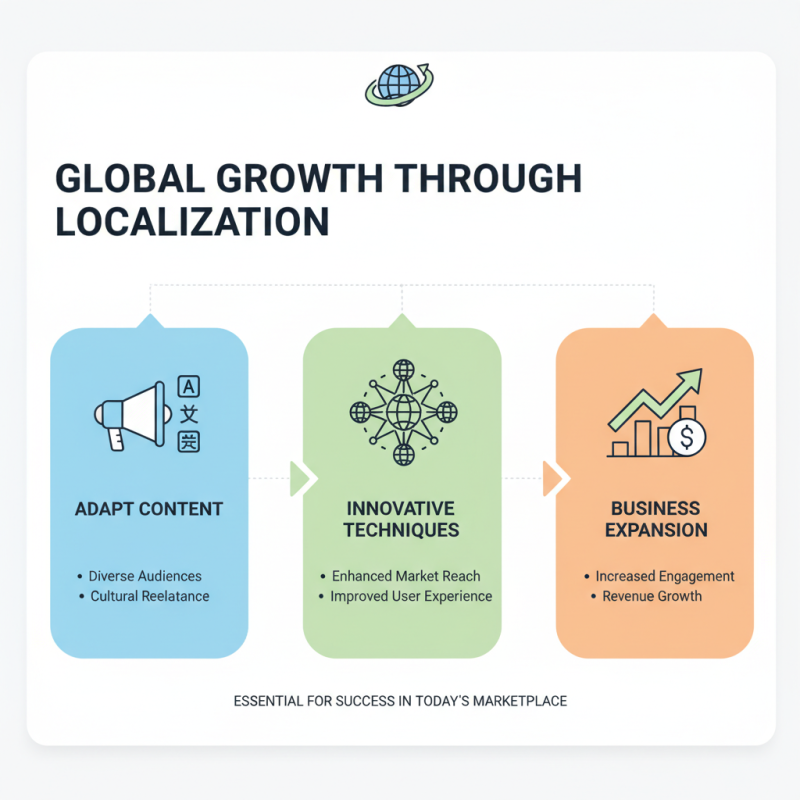
In today's global marketplace, effective localization is essential for business growth. Companies must adapt their content to resonate with diverse audiences. Using innovative techniques can enhance market reach and improve user experience.
Visual elements play a crucial role in localization. Images, colors, and symbols often have different meanings in various cultures. Tailoring these aspects to local preferences can create a stronger connection with consumers. For instance, what works in one country may not in another. This requires deep understanding and research.
**Tip:** Always test localized content with real users. Gather feedback to identify areas for improvement. This can highlight where expectations differ and guide adjustments.
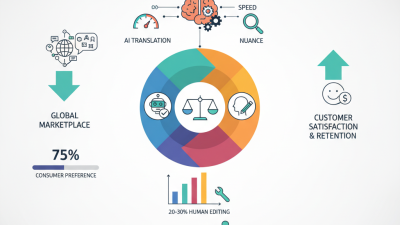
Another technique is leveraging technology. Automation tools can streamline translation processes. However, relying too heavily on machines can lead to errors. Nuanced expressions often get lost. Balancing automation with human oversight is critical.
**Tip:** Use a hybrid approach. Pair technology with linguistic experts to ensure accuracy.
As businesses seek to expand globally, they should remember that localization isn't just about language. It’s about cultural relevance. It’s a blend of art and science that requires continuous learning.
Case Studies of Successful Localization Strategies by Leading Firms
Successful localization strategies can significantly boost global business growth.
Companies that adapt their messaging and products for local markets achieve better engagement.
For instance, one firm tailored its marketing campaigns to reflect local cultures, which led to a 25% increase in customer interaction.
In another case, a company localized its software for different languages.
User feedback indicated that customers found it more intuitive and accessible.
This adjustment attracted a new segment of users.
It showcased how adapting technology can meet diverse user needs.
Identifying and addressing local preferences is crucial.
Tips: Understand cultural nuances.
Simple adjustments, like colors and symbols, can make a difference.
Consider hiring local experts. They can provide insights that might be overlooked.
Remember that not every strategy will work.
Reflect on what did not resonate with your audience.
Learning from these experiences is key to continual improvement.
Future Trends in Localization that Will Shape Global Business Growth
Localization is evolving. Companies must adapt to remain competitive. Future trends in localization will shape global business growth significantly. One crucial trend is the rise of artificial intelligence. AI can streamline translation processes. It reduces time and costs while maintaining quality. However, over-reliance on technology can lead to inaccuracies. A balance between human judgment and AI efficiency is essential.
Cultural adaptation is another vital area. Consumers want content that resonates. This requires understanding local customs and preferences. Many brands overlook this aspect. They provide a direct translation instead of a localized experience. Brands must focus on creating relatable content. This can enhance customer connection and loyalty.
Tips for effective localization include investing in training. Equip your team with knowledge about target markets. Conduct regular reviews of your localization strategies. Seek feedback to identify gaps in your approach. Remember, the localization journey is ongoing. Staying proactive ensures you are prepared for future developments.
2026 Best Localization Companies for Global Business Growth







.avif)


.png)