Dishwashing is a daily skin test: warm water, repeated rinsing, and detergent can leave hands feeling tight. Moisturizing Dish Soap aims to clean plates while being gentler on skin. But “moisturizing” does not guarantee comfort for everyone. Formula, fragrance, water temperature, and washing time all matter.
The market is substantial. Grand View Research estimated the global dishwashing liquids market at about $20.3 billion in 2023, with continued growth projected through 2030. That figure covers dishwashing liquids broadly, not moisturizing formulas alone. It signals strong product demand, but it cannot tell buyers which soap will feel mildest. Dermatologist Dr. Shari Marchbein’s often-shared skincare advice is, “Moisturize, moisturize, moisturize.” For dishwashing, that reminder matters: a gentle cleanser may help, but hand cream after washing can still be useful.
This guide compares ten options by cleansing performance, skin-friendly ingredients, scent, price, and label clarity. Look for details such as glycerin or other humectants, and consider fragrance-free choices if scented products bother your skin. A bottle may promise soft hands; your own experience is the better test. Even a well-reviewed soap can feel drying after a long evening of washing pans. We’ll point out those trade-offs, not just the appealing claims, so buyers can choose with clearer expectations.
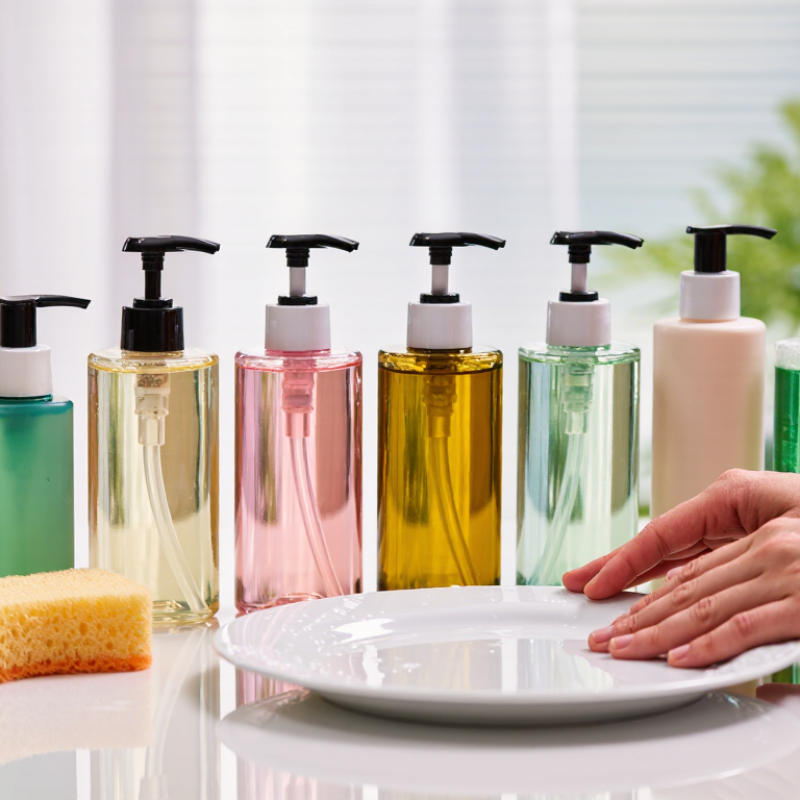
A moisturizing dish soap is designed to clean grease while being less harsh on the skin than a strongly stripping formula. It may contain humectants, such as glycerin, which help attract and hold water near the skin’s surface. Some formulas also include conditioning ingredients that leave hands feeling less tight after rinsing. These ingredients do not turn Dish Soap into hand cream, though.
The cleansing agents matter, too. Surfactants lift oil and food from plates, but they can also remove some of the skin’s natural oils. A milder formula may feel more comfortable during repeated washing, especially when dishes pile up after dinner. Check the ingredient list and use directions; “moisturizing” on the front label does not tell the whole story. Labels can be vague.
Pay attention to how your hands feel after washing and drying. If they feel tight or rough, try cooler water, wear dish gloves, or apply hand cream afterward. A soap that suits one person may still irritate another, and fragrance can be a concern for sensitive skin. It is easy to expect one bottle to solve dry hands, but frequent washing, hot water, and cold weather all play a part. Even a gentler soap has limits.
Dish soap works by lifting grease, but frequent washing can leave hands tight and dry. When comparing moisturizing formulas, look for glycerin, a humectant that helps hold water in the outer skin. Aloe or small amounts of conditioning oils may soften the feel, though they rinse away and cannot replace hand cream. Mild surfactants can be less harsh than stronger degreasing blends, but “gentle” on a label does not guarantee comfort for everyone. Formulas vary.
Fragrance and certain preservatives can bother sensitive skin. If your hands become itchy or red, stop using the product and check its ingredient list. A moisturizing claim is not a medical promise. Even a well-balanced soap may dry skin after repeated washing, especially in cold weather. That part is easy to underestimate.
Tips: Use lukewarm water, not very hot water, and rinse away suds completely. Dry hands by patting with a clean towel. Apply fragrance-free hand cream while skin is slightly damp. For long dishwashing sessions, gloves can help; take them off if sweat builds up inside. Don’t ignore persistent irritation.
Choosing a moisturizing dish soap starts with noticing how your hands feel after washing, not trusting a “gentle” label alone. Check the ingredient list for added moisturizers such as glycerin, and consider a fragrance-free option if scented products often irritate your skin. “Moisturizing” does not mean irritation-proof. If you have sensitive skin, test a small amount and stop using it if redness or itching develops. A mild scent can still bother some people.
Think about the dishes you wash and how often you use the soap. A concentrated formula may need only a small squeeze for a sink of plates, while a thin formula can run through your fingers quickly. Look for clear directions and a cap that lets you control each dose. Rinse a glass under running water; any slick residue may mean you used too much. It’s a small detail, but useful. Keep in mind that dish soap is designed to clean dishes, not replace hand cream. Hot water and repeated washing can still dry your skin, even with a gentler formula. I’d compare comfort, rinsing, and how much soap you actually need over several days. The perfect choice is not always the one with the softest-sounding claims.
Top 10 moisturizing dish soaps compared means weighing cleaning power, skin feel, scent, and value—not just label claims. A fragrance-free formula may suit sensitive hands, while an aloe or glycerin formula can feel less stripping during a long washing session. Oat-based options often appeal to shoppers seeking a gentler feel. Shea- or plant-oil formulas may feel richer, though they can leave more residue if rinsing is rushed.
Concentrated soaps can offer more washes per bottle, but dosing takes practice. Too much creates extra suds, not necessarily cleaner dishes. Refillable options reduce packaging, while budget formulas may be practical for frequent use. Hard-water households should check whether a soap rinses cleanly; cloudy glasses are a useful clue. Compare scent strength, too. A pleasant fragrance in the bottle can linger on cups.
For a fair comparison, wash the same greasy pan with each soap, using similar water temperature and quantity. Notice whether your hands feel tight afterward, but remember that dish soap is not a hand moisturizer. Ingredients and personal reactions vary. I would also check the full ingredient list, since “moisturizing” can mean different things across products. Small detail, but it matters. A soap that feels mild may still need gloves for prolonged washing.
A brand-free comparison of common dish-soap formula types. Ingredient profiles vary by product; check the label. Dish soap is designed to remove grease and may dry skin, so “moisturizing” ingredients do not guarantee a moisturizing effect.
| Rank | Formula type | Moisture-support ingredient cue | Grease-cleaning profile | Fragrance profile | May suit |
|---|---|---|---|---|---|
| 1 | Fragrance-free, glycerin-containing | Glycerin may be listed as a humectant | Typically intended for everyday dishwashing | No added fragrance; verify label | Shoppers avoiding added scent |
| 2 | Aloe-containing liquid | Aloe extract may appear in the ingredient list | Generally positioned for routine cleaning | Scented or unscented, depending on formula | Those seeking an aloe-containing option |
| 3 | Oat-containing liquid | Oat-derived ingredients may be included | Varies; check directions for greasy cookware | Often scented, but unscented versions may exist | Buyers interested in oat-based ingredients |
| 4 | Lotion-style dish liquid | May contain glycerin or emollient ingredients | Designed for hand dishwashing; performance varies | Commonly scented; check label for allergens | Those who prefer a less watery texture |
| 5 | Plant-derived surfactant blend | Moisture-support ingredients depend on the formula | Cleaning ability depends on surfactants and concentration | May use fragrance or essential oils | Shoppers looking for plant-derived surfactants |
| 6 | Coconut-derived surfactant blend | Some formulas add glycerin or other humectants | Surfactants help loosen oil and food residue | Scent varies by product | Buyers comparing plant-derived cleansing agents |
| 7 | Shea-butter-marketed dish liquid | May contain shea-derived ingredients; check the label | Intended for dishes; grease performance varies | Often fragranced | Those seeking formulas marketed with shea ingredients |
| 8 | Vitamin E-containing liquid | Tocopherol (vitamin E) may be listed | Varies with the surfactant system | Scent varies by product | Buyers checking for a specific added ingredient |
| 9 | Concentrated, fragrance-free liquid | May include glycerin; concentration alone does not moisturize skin | Often designed to clean with a smaller amount | No added fragrance if confirmed on the label | Those wanting a fragrance-free, concentrated option |
| 10 | Mild-scent, glycerin-containing liquid | Glycerin may be included; amount varies | Suitable for everyday use when used as directed | Light scent is not the same as fragrance-free | Shoppers who prefer a mild scent |
Selection tip: For sensitive or easily irritated hands, consider fragrance-free products, follow the label directions, and use protective gloves if needed. Ingredient names and formula performance can change, so consult the current product label.
Moisturizing dish soap can make everyday washing more comfortable, but it cannot guarantee that hands will stay soft. Check the label and use only the amount needed; a large squeeze creates extra suds, not necessarily cleaner dishes. If your hands become dry or irritated, wear well-fitting gloves or switch to a mild, fragrance-free option. A small splash can still sting.
Small habits help. Use warm water rather than very hot water, which may leave skin feeling tight. Wash dishes in a clean basin, and rinse plates, cups, and utensils thoroughly under running water. Pay extra attention to rims and handles, where suds can linger. Follow the product directions, and never mix dish soap with other cleaners.
It is easy to assume that a soap labeled moisturizing needs no careful handling. That assumption deserves a second look. Keep the bottle away from children, and avoid using dish liquid directly on food unless its label specifically allows it. After washing, dry hands gently instead of rubbing them with a rough towel. If irritation continues, stop using the product and consider asking a healthcare professional for advice.
A practical handwashing benchmark: scrub with soap for at least 20 seconds.
The 20-second benchmark is CDC guidance for handwashing, not a required dishwashing contact time. Follow the dish soap label, rinse dishes thoroughly, and consider wearing gloves if your hands become dry or irritated. Source: CDC handwashing guidance.

.avif)