Top Best Translation Software for Accurate Multilingual Communication?
In today's globalized world, effective communication across languages is essential. The demand for accurate multilingual communication has led to the rise of sophisticated tools. One prominent figure in the translation software industry, Dr. Emily Thompson, emphasizes, "The best translation software bridges cultural divides and fosters understanding." Her insights reflect the crucial role that technology plays in overcoming language barriers.
The search for the best translation software can be overwhelming. Various options promise quick and precise results. However, not all platforms deliver on this promise. Many struggle with nuanced expressions or specialized vocabulary, making them less reliable in certain contexts. It's essential to dedicate time to finding the right tool that caters to specific needs.
As businesses expand internationally, translators require software that enhances their work. High-quality translation software should offer versatility and adaptability. In a fast-paced environment, developers must constantly improve their offerings. Users, too, need to engage critically with these tools to maximize their potential. The best translation software is not just about technology; it’s about empowering users for effective communication.

Overview of Translation Software and Its Importance in Communication
In today's globalized world, effective communication across languages is crucial. Translation software plays a pivotal role in bridging language barriers. According to a report by Statista, the global machine translation market is expected to reach $983 million by 2024. This significant growth reflects the rising demand for accurate translation tools that facilitate seamless communication.
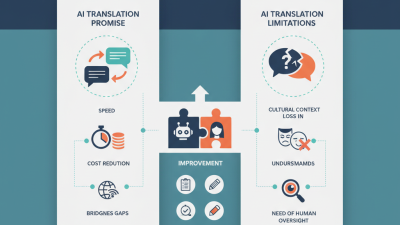
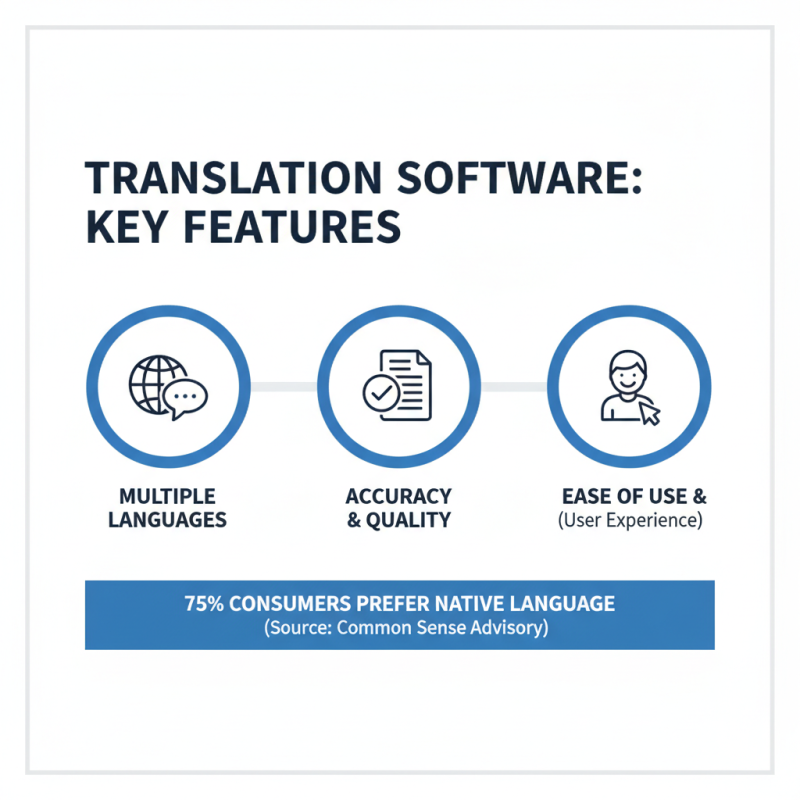
Misinterpretations can lead to costly mistakes. A study from the Common Sense Advisory found that 75% of consumers prefer to buy products in their native language. Thus, relying solely on human translators may not meet the needs of rapidly expanding businesses. While machine translation offers speed, it often lacks the nuanced understanding that comes from cultural context.
Many users have reported inconsistencies in translations, particularly with idiomatic expressions. This shows that there’s room for improvement. Companies must continuously evaluate translation tools to ensure they meet their specific needs. Despite advancements in AI and linguistics, achieving perfect translations remains a challenge. Hence, ongoing feedback and adjustments to the software are essential for enhancing accuracy.
Top Best Translation Software for Accurate Multilingual Communication
| Feature |
Description |
Supported Languages |
Accuracy Rating |
User Rating |
| Text Translation |
Translate text in real-time across various languages. |
100+ |
95% |
4.7/5 |
| Voice Translation |
Convert spoken language into another language instantaneously. |
50+ |
90% |
4.5/5 |
| Visual Translation |
Translate text from images using OCR technology. |
40+ |
85% |
4.2/5 |
| Document Translation |
Offers professional translation for various file formats. |
30+ |
93% |
4.6/5 |
| Website Translation |
Translate entire web pages to reach a global audience. |
Multiple |
88% |
4.3/5 |
Top Translation Software Options for Diverse Language Needs
In our globalized world, effective communication across languages is more important than ever. Translation software tools are not just helpful; they are essential. These tools cater to diverse language needs. Users seek solutions to bridge linguistic gaps, whether for business or personal use. However, not all software delivers the same quality.
Some options focus on specific languages or dialects. Others provide a broader range of translations but may lack accuracy. It’s crucial to choose a tool that aligns with your specific requirements. For example, technical translations demand precision. Casual conversations, on the other hand, might be more forgiving. Finding the right balance is key.
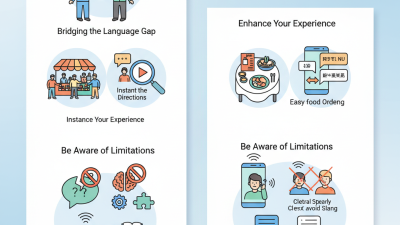
Limitations exist in every tool. Sometimes, cultural nuances are lost in translation. This can lead to misunderstandings. It's vital to continuously evaluate and improve the effectiveness of any translation software used. Relying solely on technology might not always yield the best results. Human involvement in translating complex ideas often makes a significant difference. Understanding these dynamics can enhance multilingual communication.
Comparison of Accuracy and Usability Among Leading Translation Tools
When choosing translation software, accuracy is key.
Different tools rely on various algorithms and data sources. A tool that excels in one language may falter in another.
This inconsistency can pose challenges for users seeking reliable translations. It’s wise to evaluate how well these tools handle
complex phrases and cultural nuances. The subtleties of language can change meanings significantly.
Users should be aware of this risk when relying solely on automated solutions.
Usability also plays a crucial role in effective communication.
A user-friendly interface ensures that anyone can navigate the tool easily.
Complex features may intimidate novice users. Therefore, balance is essential. Look for tools that offer powerful features without overwhelming users.
A straightforward design can enhance the translation process, making it more accessible for everyone.
Tips: Always cross-check critical translations by a native speaker.
This practice helps identify subtle errors or misinterpretations. Try different tools to see which aligns best with your needs.
Familiarize yourself with common pitfalls in automated translations to refine your expectations.
Continuous assessment of the software's output is essential for maintaining communication clarity.
Future Trends in Translation Software Development and Innovation
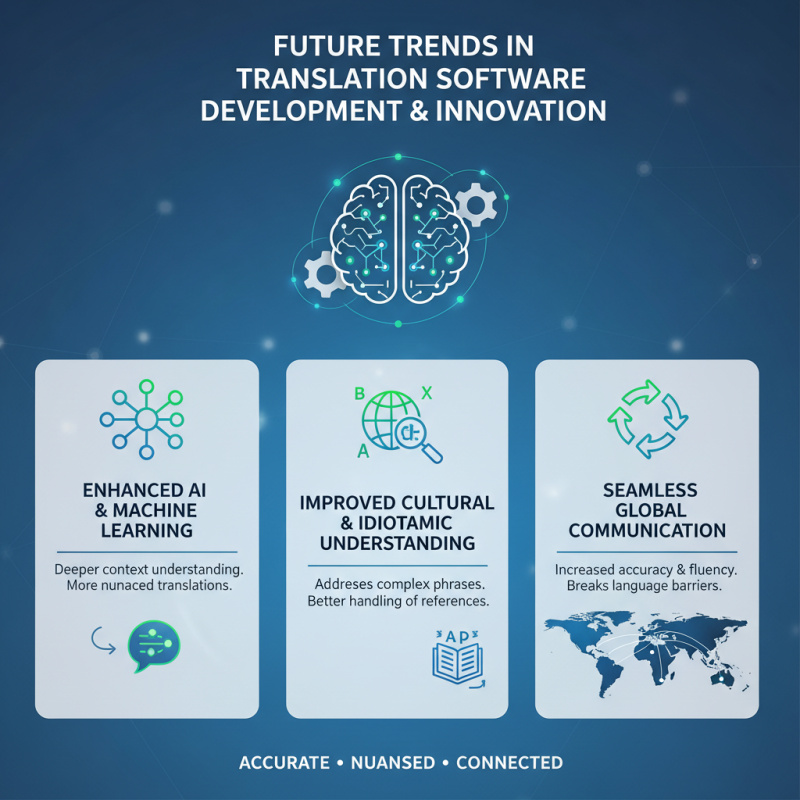
The future of translation software is exciting and challenging. As global communication grows, accurate translation becomes more crucial. Emerging trends aim to improve machine learning and artificial intelligence capabilities. These advancements promise to enhance context understanding, making translations more nuanced. Current software often struggles with idiomatic expressions or cultural references, highlighting areas for improvement.
Another trend is integration with other technologies. Real-time translation tools in virtual meetings show promise, yet they often falter in accuracy. Continuous learning from user interactions could improve their response. Imagine a world where translation software understands tone, sarcasm, or regional dialects. However, achieving this level of sophistication remains a work in progress.
Collaboration with linguists and industry experts is vital. Their insights could guide development, ensuring better user experiences. Innovations need careful evaluation; they must not compromise the essence of languages. Balancing speed and accuracy is a constant challenge for developers. As the landscape evolves, staying adaptable is essential for future growth.






.avif)


.png)