Choosing the China Best Inflatable Raft Boat Manufacturer? The answer requires more than comparing factory prices. Buyers must examine material quality, weld strength, testing records, export experience, and after-sales support. An Inflatable Raft Boat may look simple on a showroom floor. Its performance depends on fabric density, seam consistency, valve design, and pressure stability.
Industry data shows why this market deserves careful attention. Grand View Research reported continued growth in the global inflatable boats market, supported by recreational boating, fishing, rescue operations, and outdoor tourism. Fortune Business Insights also identifies rising demand for lightweight, portable boats as a major market driver. These trends create opportunities for Chinese manufacturers, but growth does not automatically prove reliability. That assumption needs challenging.
A professional evaluation should compare PVC and Hypalon construction, drop-stitch technology, load capacity, inflation time, and repairability. It should also review compliance with recognized standards, including ISO 6185 where applicable, and confirm documented quality-control procedures. Reliable factories normally provide material certificates, pressure-test records, production photographs, and traceable inspection reports. Small details matter. A poorly bonded seam can become a serious weakness on cold water.
Manufacturer experience is equally important. Ask how many years the factory has produced inflatable boats, which markets it serves, and whether independent inspections are accepted. The best supplier may not be the cheapest. It should communicate clearly, identify product limitations, and support spare-part replacement after delivery. Even experienced buyers can miss hidden risks. Therefore, this guide examines Chinese manufacturers through evidence, practical testing, production capability, and customer service rather than marketing claims alone.
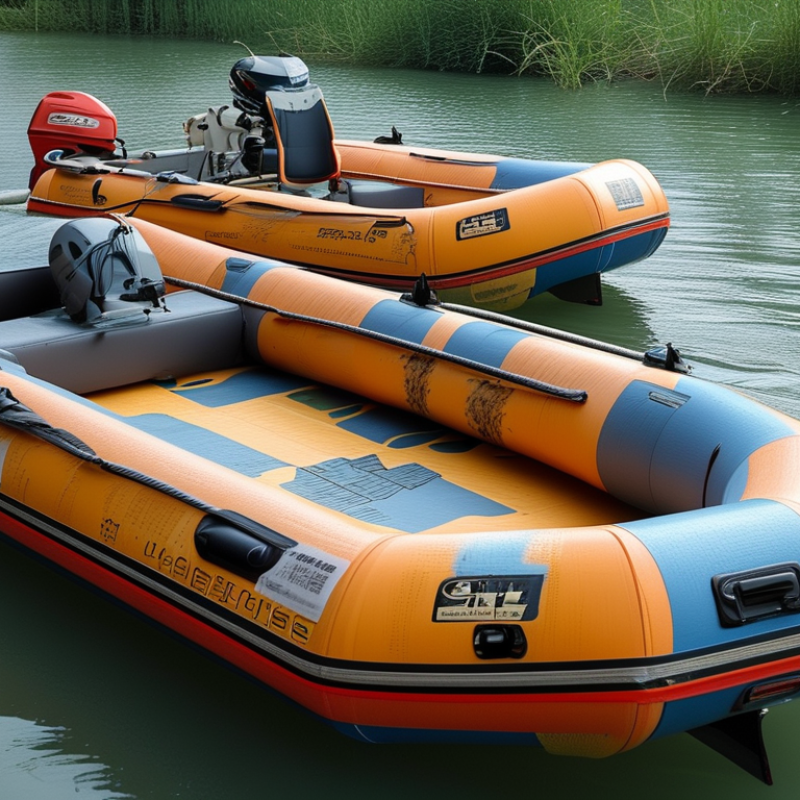
China’s best inflatable raft boat manufacturer is defined by more than factory size or attractive pricing. The real measure is consistent performance from design to delivery. Experienced manufacturers understand river currents, changing weather, passenger balance, and repeated inflation cycles. They select fabric with suitable tensile strength, reliable coatings, and stable resistance to abrasion. Small details matter. Valve placement, seam width, floor stiffness, and grab-line attachment can affect safety and handling.
Professional production requires controlled processes. A capable factory uses documented material inspections, welding or bonding checks, pressure testing, and final dimensional reviews. Each batch should have traceable records, including fabric sources and test results. Independent inspection can strengthen credibility, especially for commercial buyers. Compliance with applicable maritime, transport, and product safety requirements should be verified for the intended market. Certificates alone are not enough.
Practical experience reveals weaknesses that brochures often hide. Ask how the manufacturer handles slow leaks, damaged seams, replacement parts, and warranty claims. A dependable team explains limitations instead of promising impossible durability. No factory gets everything right. Even a strong supplier may need to improve delivery planning or communication during busy seasons. That honesty is useful. Sample testing should include inflation retention overnight, floor flexing, valve operation, and controlled loading. A clear inspection report, responsive engineering support, and stable after-sales service often distinguish a trustworthy manufacturer from a merely inexpensive one.
This chart presents an indicative buyer-priority framework for evaluating inflatable raft boat manufacturers in China. Product durability, safety compliance, quality control, customization capability, production capacity, and after-sales support are key criteria; the percentages represent their relative importance in a practical supplier assessment rather than the performance of any specific company or brand.
When evaluating a China-based inflatable raft boat manufacturer, PVC thickness deserves close attention. A 0.7 mm fabric can reduce weight and improve handling. It may suit calm water and controlled transport. A 1.2 mm layer offers stronger abrasion resistance around gravel, docks, and repeated folding. Thickness alone does not guarantee safety. Fabric density, coating adhesion, seam welding, and valve design matter just as much. Request cut samples and inspect the seams by hand.
Drop-stitch construction changes the boat’s shape. Thousands of internal fibers connect the upper and lower surfaces. This structure allows higher air pressure and creates a firmer floor or chamber. A rigid floor improves balance when passengers shift or gear moves. It also supports cleaner paddling and easier loading. However, high pressure can expose weak seams or poorly bonded layers. Check the recommended pressure with a reliable gauge. Never judge firmness by touch alone. It feels solid. That can mislead.
During factory evaluation, ask for pressure-hold records, material test data, and production inspection photos. Check whether workers examine valve bases and welded corners, not only the outer surface. A thicker PVC raft may still fail after sharp folding or prolonged heat exposure. Appearance can hide uneven bonding. That detail matters. Buyers should compare water conditions, repair access, packing weight, and user load before choosing a manufacturer. A reliable supplier explains operating limits clearly, including unsuitable water conditions.
| Raft Construction | PVC-Coated Fabric Thickness | Drop-Stitch Structure | Typical Inflation Pressure | Structural Rigidity | Abrasion and Puncture Resistance | Main Safety Effect | Suitable Application |
|---|---|---|---|---|---|---|---|
| Basic tube-only raft | 0.7 mm | Not used; conventional air chambers | Approximately 0.14–0.21 bar (2–3 psi), depending on the boat design | Basic Flexible under load | Basic to medium Lower material mass offers less sacrificial thickness against abrasion. | Can be safe when correctly designed and used within its rated capacity, but external wear, seam quality, chamber separation, and maintenance become especially important. | Light recreational use, calm water, short trips, and low-load applications |
| Reinforced tube-only raft | 0.9 mm | Not used; conventional air chambers | Approximately 0.14–0.25 bar (2–3.6 psi), depending on tube diameter and design | Medium Improved shape retention compared with lighter fabric | Medium Additional PVC thickness generally improves resistance to rubbing and handling damage. | Provides a practical balance between weight and durability. Multiple independent air chambers remain important because thickness alone does not prevent loss of buoyancy after a puncture. | General recreation, lake use, sheltered coastal water, and moderate-duty transport |
| Heavy-duty raft with reinforced floor | 1.0 mm | Optional drop-stitch floor or conventional air floor | Tubes: approximately 0.14–0.25 bar Drop-stitch floor: commonly about 0.34–0.55 bar (5–8 psi), if specified by the design | Medium to high Floor stiffness increases with high-pressure drop-stitch construction. | Medium to high Good general durability when the outer coating, seams, and floor protection are properly engineered. | A firmer floor can improve passenger stability, load distribution, rowing efficiency, and standing resistance. The floor must not be inflated above its rated pressure. | Fishing, touring, family recreation, and moderate-load use |
| Heavy-duty tube and floor system | 1.2 mm | Optional drop-stitch floor, commonly 100–150 mm thick before inflation | Tubes: approximately 0.14–0.25 bar Drop-stitch floor: commonly about 0.34–0.55 bar (5–8 psi), if specified | High Greater resistance to deformation when the floor is correctly pressurized | High More material thickness generally provides a larger wear margin, although fabric scrim and coating quality remain decisive. | Improves resistance to handling abrasion and helps maintain the designed hull shape. It does not make the raft puncture-proof; sharp objects, excessive pressure, and poor seam construction remain hazards. | Frequent use, heavier loads, river touring, commercial-style duty, and demanding transport conditions |
| Drop-stitch floor with 0.7 mm outer skin | 0.7 mm | High-density internal drop-stitch threads connect the upper and lower fabric layers | Commonly about 0.34–0.55 bar (5–8 psi), subject to the product specification | High floor rigidity High pressure and internal thread spacing limit floor bulging. | Basic to medium Rigid construction does not compensate for a thinner outer skin. | Offers a stiff walking and load-bearing surface at relatively low weight. The outer skin needs protection from rocks, hooks, dragging, and sharp equipment. | Portable recreational rafts where low weight and compact packing are priorities |
| Drop-stitch floor with 0.9–1.0 mm outer skin | 0.9–1.0 mm | High-density drop-stitch floor with reinforced seams and floor-to-tube attachment | Commonly about 0.34–0.55 bar (5–8 psi), subject to the product specification | High Good resistance to compression and shape change under normal rated loads | Medium to high Suitable for more frequent handling when protected from severe dragging. | Usually provides the best balance between floor stiffness, portability, durability, and total raft weight. Correct pressure and seam inspection are essential. | Touring, fishing, family use, and regular recreational operation |
| Maximum-duty drop-stitch floor system | 1.2 mm | High-density drop-stitch floor with reinforced outer layers and protective wear panels | Commonly about 0.34–0.55 bar (5–8 psi), subject to the product specification | Very high Strong load-bearing performance when pressure and payload remain within specification | High Greater wear allowance, but no PVC thickness eliminates puncture risk. | Provides a robust platform and improved load stability. Increased weight and stiffness can make packing, carrying, and repair more demanding. | Frequent deployment, heavier equipment, demanding shore access, and high-use environments |
Choosing China’s best inflatable raft boat manufacturer requires more than comparing prices or glossy photographs. ISO 6185 provides a practical framework for inflatable boat design, construction, equipment, and safety performance. It helps buyers examine fabric strength, air chambers, valves, seams, and passenger limits. A responsible manufacturer should provide current test records, material specifications, and traceable production details.
CE marking also deserves careful attention. It indicates conformity with applicable European requirements, but it is not a universal quality award. Ask which standards support the declaration and whether technical documents are available. Load-capacity testing is equally important. A raft rated for six people should be tested with realistic occupant weight, fuel, safety gear, and uneven loading. Numbers matter.
During a factory assessment, inspect welded or glued seams closely. Look for consistent bonding, clean valve installation, and pressure retention after extended inflation. Request photos from internal testing, not only finished-product images. A third-party report can improve confidence, although paperwork alone cannot replace physical inspection. Some suppliers may calculate capacity too optimistically, especially when accessories are excluded. That deserves honest questioning. Even experienced buyers can miss small details, such as floor deformation or slow air loss overnight. A dependable manufacturer explains these limitations clearly and connects every claimed rating to a repeatable test method.
China Best Inflatable Raft Boat Manufacturer?
How 10–15 Year Material Lifespan and 3–5 Year Warranties Signal Quality
A dependable inflatable raft begins with its fabric, seams, and manufacturing controls. Marine-grade PVC or reinforced TPU can remain serviceable for 10–15 years under suitable conditions. That estimate depends on storage, sunlight, water exposure, and maintenance. It is not a promise for every boat.
Look closely at the details. Strong boats often use consistent heat-welded seams, reinforced handles, and protected valve areas. A clean seam should feel even, without bubbles, gaps, or loose edges. Ask for material specifications, production records, and inspection procedures. Experienced manufacturers should explain these points clearly, not hide behind broad advertising.
A 3–5 year warranty can indicate confidence in construction. However, warranty length alone proves little. Read its coverage for seams, valves, fabric, accessories, and labor. Some warranties exclude damage from poor storage, sharp surfaces, overinflation, or prolonged UV exposure. That is reasonable, but the terms should remain easy to understand.
Real-world use reveals more than a brochure. Inflate the raft on a firm surface and check pressure after several hours. Small pressure changes may reflect temperature, not leakage. I once treated a slow pressure loss as a serious defect, then found a valve cap installed incorrectly. That mistake was avoidable.
Reliable suppliers also provide repair guidance, replacement parts, and traceable quality checks. A long service life requires care from the owner, too. Rinse salt and sand away. Dry the raft completely. Store it loosely rolled, away from heat and sunlight.
A reliable factory should show more than impressive monthly output. Ask for verified capacity by product type, not one combined figure. Production records, workshop space, trained workers, and pressure-testing equipment reveal practical capability. I have found that stable lead times often matter more than peak capacity. A factory promising 20,000 units may struggle during busy seasons. Check recent delivery records, defect rates, and average sampling time. Ask whether inspection data covers every raft or only selected batches. That detail can change the purchasing decision.
Customization requires measurable engineering support. Review the number of designers, prototype equipment, material specifications, and revision procedures. A capable team should explain how it handles shape changes, reinforced floors, color matching, valves, and printed markings. Request a physical sample before mass production. Small issues appear there. Stitch alignment, handle strength, and inflation performance deserve direct testing. Minimum order quantities and tooling charges should be written clearly. Some factories sound flexible but resist minor revisions after payment. That is a warning sign.
Global service also needs evidence. Compare export experience, packaging standards, spare-parts availability, and response times across time zones. Ask for sample shipping documents and a clear warranty process. Independent inspections can confirm factory claims before loading. Customer references are useful, though they may present only favorable results. No metric is perfect. A smaller factory might offer better communication, while a larger one may provide stronger supply continuity. Judge both sides against your delivery schedule, technical demands, and after-sales expectations.

.avif)