Choosing the Best Physiotherapy Electric Machine Supplier in China takes more than comparing prices or product photos. Clinics need equipment that fits their treatment plans, patient needs, and daily workload. A machine may look impressive online, yet its controls can feel awkward, its settings may be unclear, or its service support may be difficult to reach. Small details matter. Can staff understand the interface quickly? Are user instructions clear? Can the supplier explain maintenance and replacement parts?
Dr. Shirley Sahrmann’s work offers a relevant clinical principle: assess movement and patient needs before selecting tools to support treatment. This is a paraphrase of her approach, not a direct quotation. That distinction matters when evaluating health-related claims. A dependable Physiotherapy Electric Machine supplier should provide clear product specifications, operating guidance, and responsive technical support. Buyers should also ask how products are tested and what documentation accompanies them, rather than relying on broad promises. Request concrete answers. Compare them carefully.
This guide examines practical ways to assess Chinese suppliers, from product range and customization to communication and after-sales service. It also considers the questions buyers can ask before requesting a quotation or sample. No supplier is right for every clinic. A careful shortlist, informed by clinical needs and verifiable details, can make the decision more grounded—and reveal gaps that deserve a second look.
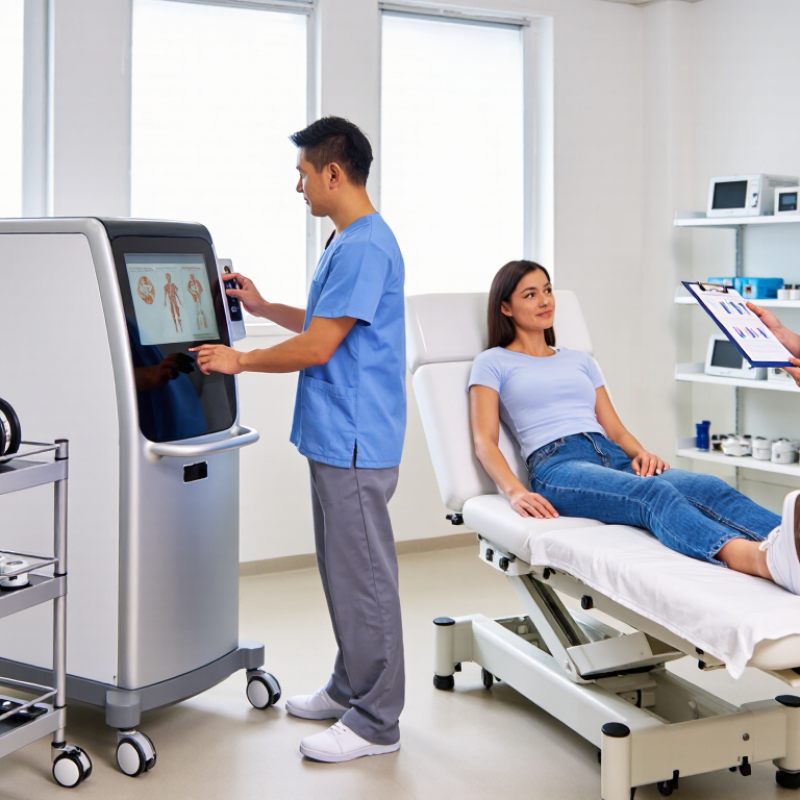
A physiotherapy electric machine supplier provides equipment used in rehabilitation clinics, hospitals, and therapy practices. Its role goes beyond shipping a device. A reliable supplier explains operating limits, electrode or probe placement, cleaning procedures, and routine maintenance. Products may include electrical stimulation units, therapeutic ultrasound devices, and related accessories. They are not interchangeable; clinicians must match each device to the treatment plan and patient.
The need for rehabilitation is substantial. The World Health Organization’s Rehabilitation fact sheet estimates that 2.4 billion people worldwide live with conditions that may benefit from rehabilitation. That matters. A supplier’s technical support can affect whether equipment is set up correctly and remains usable over time. Buyers should check clear specifications, user manuals, warranty terms, and access to servicing. Ask how staff training is delivered, too. A catalogue alone cannot answer that.
For a clinic, practical details are easy to overlook: connector compatibility, replacement leads, storage space, and service response times. A careful supplier discusses these before purchase, rather than promising that one machine suits every case. Still, comparing suppliers is not always neat; product claims can be difficult to verify without clinical and technical review. Request supporting documentation and confirm that the equipment fits your local clinical procedures. A lower price may be attractive, but downtime has a cost.
Chinese manufacturers produce several types of electric physiotherapy equipment for clinics, rehabilitation centers, and home-care settings. Electrical stimulation units are common. They deliver controlled pulses through adhesive electrodes to support pain management or muscle activation. Buyers should check adjustable intensity, treatment modes, electrode compatibility, and clear operating instructions.
Ultrasound therapy machines use a handheld sound head and coupling gel to deliver energy to selected areas. Some suppliers also make shortwave diathermy systems, which generate therapeutic heat using electromagnetic energy. These devices require careful setup and trained operation. Small details matter: cable quality, applicator handling, and accessible emergency controls can affect daily use. Not glamorous, but important.
Other product categories include powered traction tables, therapeutic laser devices, and shockwave systems. Their purposes and evidence bases differ, so a machine should match a clinician’s treatment plan rather than a catalog description. Ask for technical specifications, user manuals, safety testing records, and service arrangements. Check how the supplier handles calibration and replacement parts, too. Specifications can look tidy on paper, while actual usability is less polished. A hands-on demonstration may reveal awkward controls or noisy operation before purchase.
For a Chinese physiotherapy electric machine supplier, standards should match the device’s intended use and sales market. For equipment that stimulates nerves or muscles, ask whether testing covers IEC 60601-2-10, alongside general electrical safety and electromagnetic compatibility requirements in the IEC 60601 series. For China, check applicable national GB standards and the product’s NMPA registration or filing status. Requirements vary by device classification; one certificate cannot cover every product.
A reliable quality system matters, too. ISO 13485 certification can indicate controls for design, production, traceability, and corrective actions. Ask for current certificates, test reports, and the exact model numbers they cover. Then compare those numbers with the label and user manual.
Small details count: electrode leads should fit securely, controls should be clearly marked, and cleaning instructions should be practical. Paperwork can still miss a loose connector.
The need for dependable rehabilitation equipment is substantial. WHO’s 2023 rehabilitation fact sheet estimates that 2.4 billion people worldwide may benefit from rehabilitation. That figure is not a sales forecast, but it underscores why safety and consistent performance matter.
Request evidence of electrical safety, EMC testing, and production quality checks—not just a polished certificate scan. A supplier’s response to a failed test can be revealing.
Sometimes the documentation is tidy, while the follow-up is not.
A reliable physiotherapy electric machine supplier should be assessed through evidence, not polished brochures. Ask for clear specifications covering output range, control accuracy, treatment modes, and safety features. Then compare those details with the needs of your clinic. A machine with many settings is not automatically the right choice. Look for practical demonstrations, readable operating instructions, and consistent answers to technical questions. Ask how the equipment is tested before shipment, and request relevant quality documents for the exact model. Details matter.
Service can reveal more than a sales call. Check the warranty terms, spare-parts availability, response times, and whether remote troubleshooting or staff training is offered. Ask for a sample service process: who receives a fault report, what information is needed, and how updates are provided. A vague promise of “fast support” is hard to verify. Request references from comparable buyers, while remembering that one positive review cannot prove every order will go smoothly. No checklist catches everything. If possible, inspect a sample unit or arrange a live demonstration, and record any unanswered questions before paying. Some buyers focus too much on price; I would also weigh downtime, maintenance, and the clarity of the supplier’s communication.
WHO’s 2019 rehabilitation report estimates that 2.4 billion people live with conditions that may benefit from rehabilitation. That figure signals broad need, but it does not prove a machine is clinically suitable. Buyers should match each model to its intended treatment, patient group, and local requirements. Ask for the technical specifications, operating manual, contraindications, and test reports for the exact configuration offered.
Check electrical safety and electromagnetic compatibility. IEC 60601-1 and IEC 60601-1-2 are useful standards to discuss with suppliers. Request model-specific evidence, not a certificate for a similar-looking unit. Inspect the treatment parameters, controls, alarms, and emergency stop. A hands-on sample test helps. Record the settings and results; vague claims about “stable output” are hard to verify later.
Also confirm factory quality controls, calibration records, warranty terms, spare-part availability, and staff training. Ask how the supplier handles faults, and request a written response-time commitment. Check packaging details, too: cables and electrode accessories should arrive protected and clearly labelled. A polished sample can still hide inconsistent production. I would not rely on photos alone.
Before paying a deposit, agree on acceptance criteria, inspection steps, and the documents required for shipment. WHO’s figure provides context, not a reason to rush an order.

.avif)