How to Choose the Best Language Translator for Your Needs?
In today’s globalized world, effective communication across languages is essential. Whether for business or personal needs, choosing the best language translator can greatly impact your success. According to a recent report by the Globalization and Localization Association, the translation services market is projected to reach $56 billion by 2027. This highlights the growing importance of accurate translation in various fields.
Expert linguist Dr. Lydia T. Cooper emphasizes, “Understanding cultural nuances is crucial when selecting the best language translator.” Her insights underscore the need for more than just word-for-word translations. It is about context, tone, and cultural relevance. When dealing with professional documents or nuanced conversations, the right translator can make all the difference.
With an overwhelming number of options available, many users face challenges. Not all translators provide the same quality. Factors such as industry experience, specialization, and technology integration play a critical role. It can be tempting to prioritize cost over quality, but the implications of poor translations can be costly. The quest for the best language translator requires diligence and consideration of various factors.

Understanding Your Translation Needs: Key Questions to Consider
When selecting a language translator, understanding your specific needs is critical. Start by identifying the purpose of your translation. Are you translating a business document, a literary piece, or perhaps personal correspondence? Each type of translation demands different expertise. If it’s a technical document, a translator with a background in that field is essential.
Consider the languages involved. Some languages have nuances that require experienced translators. A good translator understands cultural contexts. This will enhance the accuracy of the translation. Think about the desired turnaround time as well. If time is of the essence, be clear about deadlines upfront.
**Tip:** Look for translators who specialize in your industry. Their familiarity with terminology will yield better results.
Another vital factor is the translator’s experience level. Ask about their previous work and client testimonials. This can give insights into their credibility. While it might be tempting to choose a translator primarily based on cost, remember that quality often reflects a higher price tag.
**Tip:** Don't hesitate to request samples of previous work. It’s a great way to assess their style and proficiency.
Engaging a translator is often a mix of art and science. Finding the right match may take some time, but patience will pay off in quality outcomes.
Types of Language Translators: Automated vs. Human Translators
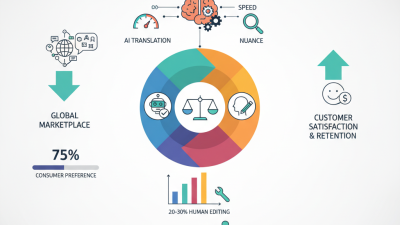
When considering language translation, understanding the differences between automated and human translators is essential. Automated translators use algorithms and databases to convert text. They are fast and generally cost-effective. However, they struggle with context and nuance. Machine translation can lead to misinterpretations, especially with idioms or cultural references. For critical documents, relying solely on these tools may not be wise.
On the other hand, human translators bring experience and cultural understanding. They discern subtleties, tone, and intent that machines often fail to capture. This expertise is invaluable for legal texts or literary works. However, human translation can be more expensive and take longer. It's important to weigh the urgency of your need against the quality of the translation.
In some cases, a hybrid approach might work well. Using automated translation for initial drafts and then refining with a human translator can balance speed and accuracy. This strategy allows for a more thoughtful review of the text. Always consider which option best aligns with your specific requirements.
Comparison of Translation Methods: Automated vs. Human Translators
Evaluating Translation Quality: Accuracy, Nuance, and Context
When evaluating translation quality, accuracy is paramount. A translator must ensure that the meaning of the original text is preserved. However, accuracy alone doesn’t guarantee a great translation. Sometimes, words do not directly translate between languages. This is where nuance comes in. Different languages convey emotions and subtleties differently. A phrase in one language may have a cultural significance that doesn't exist in another.
Context is equally critical in translation. The intended audience and purpose of the text affect how it should be translated. Professional translators often research the subject matter thoroughly. They might even consult with experts to grasp complex terms. This level of detail is crucial for translating technical documents or literature. Consider a legal contract where every term must be precise. Missing context can lead to misunderstandings or even legal issues.
While evaluating options, consider if the translator understands these aspects. It’s easy to overlook the depth of their expertise in your specific area. Many translators might excel in general translations but struggle with specialized fields. Therefore, it’s essential to review samples of their previous work. Look for signs of both accuracy and an understanding of cultural nuances. This can reflect their ability to handle your project effectively.
Budgeting for Translation Services: Costs and Value Considerations
When budgeting for translation services, it's essential to balance costs with value. Many factors influence translation pricing. The complexity of the text, the language pair, and the urgency of the project all play significant roles. Assessing these variables can help you avoid overspending.
Here are some tips to consider. First, request quotes from multiple translators to gauge the market rates. This practice provides a clearer picture of what to expect. Next, think about your project’s requirements. Specialized knowledge in certain fields can justify higher fees. Do not sacrifice quality for lower costs; it can lead to discrepancies in meaning and context.
Remember that cheaper options may not deliver the desired results. You might end up revisiting the project, incurring further expenses. Assess whether you need certified translations or if standard ones suffice. Understanding these details can save you money and effort. Valuing expertise ensures you get the best outcomes for your investment.
Choosing a Reliable Translator: Credentials and Customer Feedback
When selecting a language translator, credentials and customer feedback are crucial. A translator’s qualifications can significantly impact the quality of the work. Look for certifications that align with your specific needs. These credentials often indicate a level of expertise that can ensure accurate translations. Those with degrees in linguistics or translation studies often bring valuable knowledge.
Customer feedback plays a vital role in assessing reliability. Reviews offer insights into the translator’s past work. Be cautious of overly positive reviews that may seem fabricated. Authentic feedback usually discusses both strengths and weaknesses. A balanced view helps to set realistic expectations.
Here are some tips:
- Check for memberships in professional associations. This often signifies commitment to industry standards.
- Read varied customer reviews. Look for patterns rather than isolated comments.
- Consider the timeline. Timeliness is as essential as accuracy in delivering translations.
Understanding these elements requires some reflection. Sometimes, people tend to overlook critical details in rush. Take the time to evaluate and choose wisely.








.avif)


.png)