How to Choose the Best Language Translator for Your Needs?
In today's globalized world, choosing the best language translator can feel overwhelming. Renowned linguist Dr. Emily Carter once said, “The right translator makes communication seamless.” This highlights the importance of finding a translator that fits your specific needs.
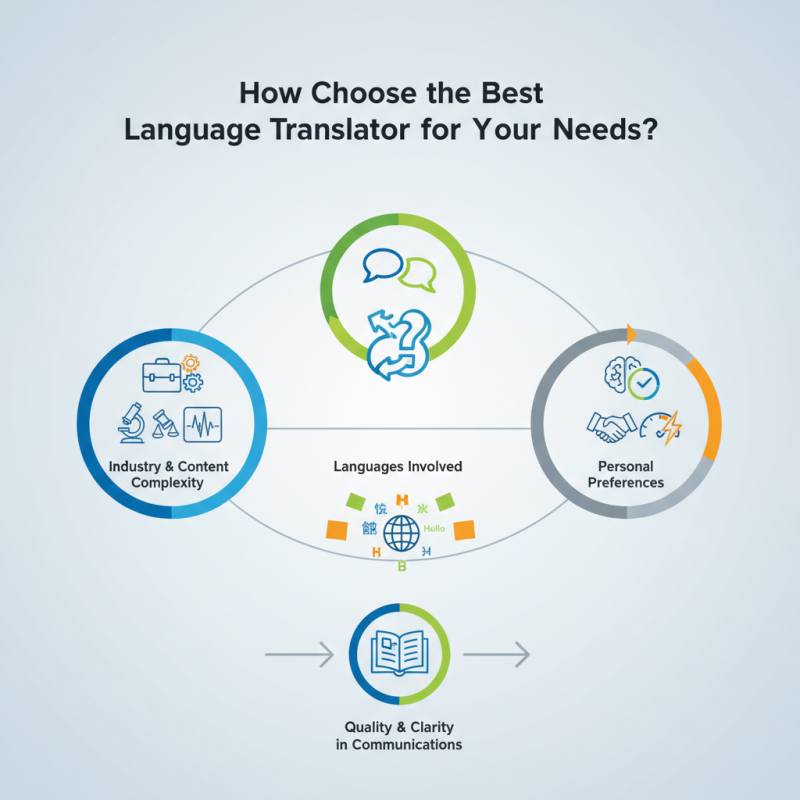
With numerous options available, it's essential to evaluate your requirements. Consider your industry, the languages involved, and the complexity of the content. Not all translators specialize in every field, which can lead to mismatched expectations.
Additionally, personal preferences play a role. Do you prefer human translators for empathy and nuance, or is speed your priority? Reflecting on these aspects will help in your search for the best language translator, ensuring quality and clarity in your communications.
Understanding Your Translation Needs and Objectives
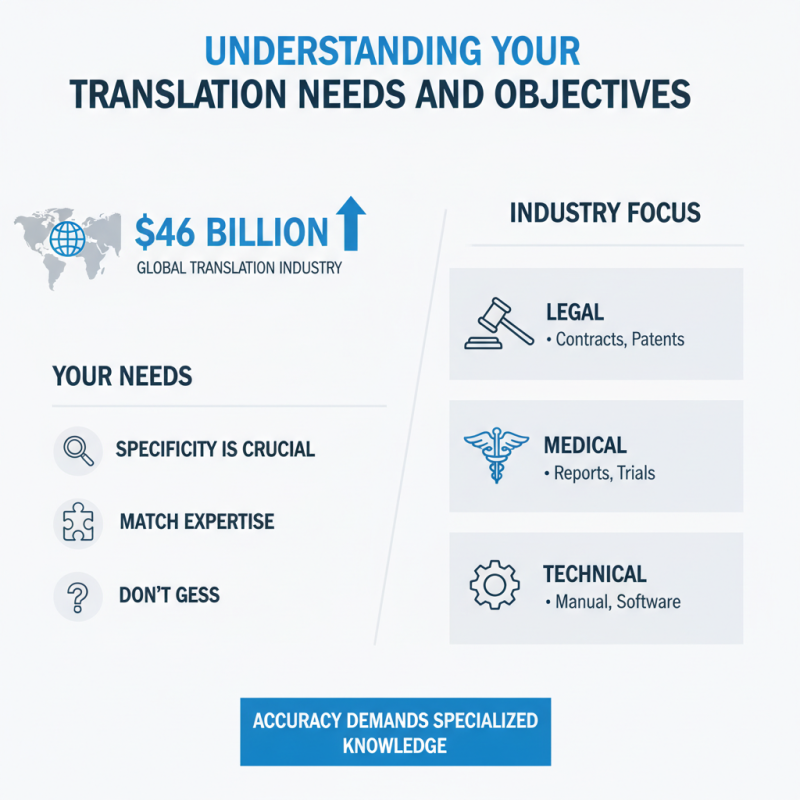
When selecting a language translator, understanding your specific translation needs is crucial. The global translation industry has reached $46 billion, highlighting the importance of accurate translation. Different industries require different expertise. Legal, medical, and technical translations demand high precision and specialized knowledge. A general translator may not meet these standards.
Consider the purpose of your translation. Are you looking for literary quality, or is technical accuracy your priority? For instance, translations in the medical field must comply with strict regulations. A mere nuance could change treatment outcomes. According to a 2022 study, 75% of companies reported miscommunications when using inadequate translation services. This data underscores the importance of aligning translators with your objectives.
Reflect on your audience as well. Cultural contexts vary widely. A casual tone might work for social media, but not for corporate communications. Understanding these factors can enhance the effectiveness of your translation. Look for translators who not only understand the language but also grasp the cultural subtleties. This often makes a significant difference in conveying your message accurately and effectively.
Identifying Different Types of Language Translators
When choosing a language translator, it’s essential to understand the diverse types available. Machine translation uses algorithms to provide instant translations. However, studies show that it may lack the nuance of human speech. According to a 2022 report by the Global Industry Analysts, the machine translation market is expected to grow significantly, reaching $1.3 billion by 2025. This growth indicates increased reliance on technology but raises questions about accuracy and cultural context.
Human translators, on the other hand, offer a depth of understanding that machines often miss. They can convey idiomatic expressions and cultural significance. The American Translators Association highlights that professional human translators often achieve up to a 98% accuracy rate. However, this doesn’t mean all translators are equally skilled. Some specialize in specific fields, such as legal or medical translation. Choosing the wrong type can lead to misunderstandings.
Crowdsourced translation services have emerged as a viable option. These platforms utilize community input to refine translations. While this approach can provide quick results, inconsistencies may arise. A 2021 study revealed that while crowdsourced translations are fast, they occasionally fall short of professional standards. Recognizing these differences is vital when selecting a translation service that suits your needs.
Evaluating Translation Tools and Software Features
When evaluating translation tools and software, consider user experience and interface design.
A clean, intuitive layout can enhance your productivity. Look for features that allow easy access to translation options.
A tool that requires excessive navigation can be frustrating. Simplicity often translates to efficiency.
Next, assess the translation capabilities. Good software should handle various languages and dialects.
Machine learning capabilities can improve accuracy over time. However, do not solely rely on automatic translations.
They may miss context or nuance. Manual edits can ensure quality.
Integration with other tools is important too. Can it connect with your existing applications?
A seamless workflow is crucial. These aspects can greatly impact your overall experience.
While powerful features are appealing, sometimes, less is more. Focus on what's essential for your specific needs.
Comparing Costs and Budget Considerations
When selecting a language translator, budget is a critical factor to consider. Many individuals and businesses overlook the vast differences in cost among various translators. According to a 2023 industry report, professional translation services can range from $0.10 to $0.20 per word, while machine translation options often sit at a much lower price point. The choice ultimately depends on the quality you require.
A crucial tip is to evaluate your needs before spending. For documents requiring nuance and tone, a professional translator is recommended. For quick, less formal translations, machine options may suffice. Keep in mind that while free tools exist, they can lack accuracy and context. Relying solely on them might lead to miscommunication.
Additionally, assess the project's scope. Bulk translation projects may qualify for discounted rates from professional services. This approach can save money while ensuring quality remains intact. Be mindful that initial costs don’t always reflect the final price. Hidden fees may appear, so clarify pricing details upfront. Balance your budget along with your quality expectations to make an informed decision.
Reading Reviews and Testimonials for Translator Performance
When selecting a language translator, reading reviews and testimonials is crucial. Performance feedback from users provides insight into a translator's reliability and accuracy. According to a recent industry study, 68% of users prioritize reviews when choosing translation services. Testimonials reveal real-world experiences, guiding potential users to make informed choices.
Feedback often highlights strengths and weaknesses. Many users mention the speed of translation as a key factor, while others focus on accuracy. It's important to note that a highly-rated service may not always meet specific needs. An analysis showed that 30% of users faced issues with context and idiomatic expressions in translated texts.
Tips: Seek platforms that aggregate user reviews for broader perspectives. Look for comments on translation accuracy and turnaround times. It’s beneficial to pay attention to negative reviews; they can uncover potential pitfalls. Balancing high ratings with specific user concerns helps in making the best choice. Remember, even top-rated translators can have limitations. Understanding these nuances is essential for effective translation results.
How to Choose the Best Language Translator for Your Needs? - Reading Reviews and Testimonials for Translator Performance
| Translator Type |
Accuracy (out of 5) |
Speed (words per minute) |
Cost (per 1000 words) |
User Rating (out of 5) |
| Machine Translation |
3.5 |
200 |
$30 |
4.0 |
| Freelance Translator |
4.5 |
100 |
$50 |
4.8 |
| Translation Agency |
4.8 |
150 |
$70 |
4.6 |
| CAT Tool (Computer-Assisted Translation) |
4.0 |
250 |
$40 |
4.2 |








.avif)


.png)