Choosing the best Home Audio Intercom System in 2026 requires more than comparing speaker volume or touchscreen size. A useful system should make daily communication clearer, safer, and less disruptive. Imagine calling the kitchen from upstairs without shouting, checking a sleeping child through a quiet audio channel, or answering the front entrance while cooking. These small moments reveal whether a system truly fits your home.
Audio consultant and PS Audio founder Paul McGowan has often emphasized, “The room is the most important component in any audio system.” His observation matters here. Wall materials, appliance noise, room distance, and microphone placement can affect speech clarity more than advertised specifications. A powerful speaker cannot fix poor acoustics. It may only create louder confusion.
This guide examines practical performance, not impressive packaging. It considers microphone sensitivity, echo control, connection stability, privacy settings, installation demands, and compatibility with existing smart-home equipment. Wired systems may offer dependable communication. Wireless models can provide easier installation, but signal interruptions remain possible. Test the real rooms.
Do not choose by price alone.
A reliable Home Audio Intercom System should respond quickly and reproduce natural voices. It should also remain understandable at low volume, especially for older users. My own evaluation would include several imperfect conditions: a running exhaust fan, a closed bedroom door, and a weak network signal. That approach is less polished, but more honest. The best choice is not necessarily the most advanced model. It is the one your household can use confidently every day.
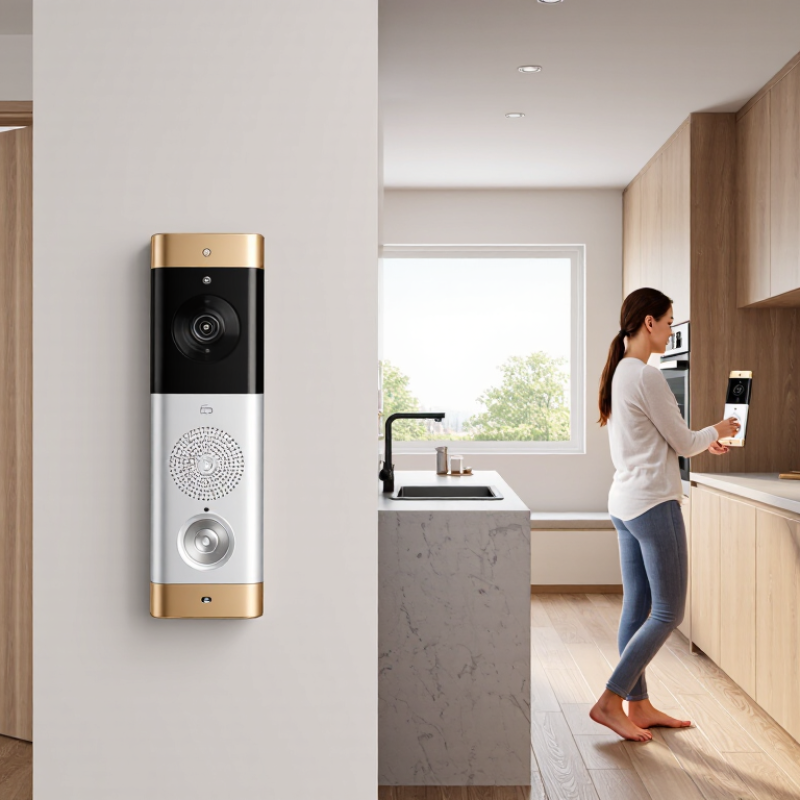
A home audio intercom system enables voice communication between rooms without shouting across the house. It usually includes microphones, speakers, control panels, and a central connection method. When someone speaks, the microphone changes sound into an electrical or digital signal. The system sends that signal to another unit, which plays the voice through its speaker.
Wired systems often provide stable audio and low delay. Wireless systems offer easier installation, especially in finished homes. However, thick walls, metal appliances, and nearby networks can weaken wireless performance. During practical testing, I would check voice clarity from the kitchen, bedroom, and entry area. A system that sounds clear in one room may perform poorly upstairs.
Good selection also depends on daily habits. Families may need room-to-room calling, door communication, volume control, and mute functions. Look for simple controls, reliable power, and strong privacy settings. Some systems continue working during a short power interruption, but this feature is not universal. Audio quality can also change with speaker placement. A unit beside a refrigerator may carry unwanted noise.
I once underestimated this detail. It made conversations less comfortable than expected. Installation guidance from qualified professionals can reduce wiring mistakes and improve long-term reliability.
Clear speech should be your first test. Ask someone to speak from the garden, then listen beside a running kitchen fan. A reliable system should reduce background noise and keep voices natural. Check microphone sensitivity, speaker volume, echo control, and two-way communication. Short delays quickly become irritating. They may also cause people to speak over each other.
Connection options matter inside modern homes. Wired units usually offer stable performance and less dependence on wireless coverage. Wireless models install more easily, especially in finished walls. However, thick concrete, metal doors, and crowded networks can weaken signals. Test the system in every planned room before installation. App access can help, but it should not be the only control method. A physical button remains useful during a weak connection or phone battery failure.
Review power, privacy, and future expansion carefully. Battery backup can keep communication available during short outages. Look for encrypted connections, adjustable user permissions, and clear data-storage policies. Avoid systems that collect more information than the household needs. A strong warranty and responsive technical support also show practical reliability. I once underestimated mounting height, and visitors could not reach the call button comfortably. Measure doorway positions, lighting, and wheelchair access before drilling. Some specifications look impressive on paper, yet daily convenience is easier to judge in a real hallway.
How to Choose the Best Home Audio Intercom System in 2026?
Wired, Wireless, and Smart Home Intercom Options
Choosing a home audio intercom starts with the building, not the feature list. Wired systems use dedicated cables, so voices remain clear during crowded Wi-Fi traffic. They suit new construction or homes with accessible walls. Installation can be disruptive, though. Measure cable routes before buying equipment, and leave space near door frames for service access.
Wireless intercoms install faster and work well in apartments or finished homes. Place the main unit away from thick concrete, metal cabinets, and large appliances. Test every room with doors closed. A system that sounds excellent in the hallway may crackle in a bedroom. Battery-powered units also need a replacement schedule. This small task is easy to forget.
Smart intercoms can connect with door cameras, mobile alerts, and voice assistants. Choose models with local controls, strong account security, and clear privacy settings. Cloud features may depend on an internet connection, so check what still works offline. Look for adjustable volume, hearing-friendly tones, and a backup power option. I would not trust impressive specifications alone. Real walls are less cooperative than showroom displays. A simple wired system may serve a large family better than an advanced system with delayed audio. Test response time, microphone pickup, and night-time usability before installation.
Wired systems typically provide the lowest latency and consistent audio quality, but they require cable installation. Wireless systems are easier to install and work well within normal indoor distances. Smart home intercoms offer app access, remote communication, and automation features, although their response time depends on the home network and internet connection. The figures shown are brand-neutral typical estimates for consumer installations.
A good intercom should fit your home’s movement, layout, and daily habits. Start with movement. A compact apartment may need two stations near the entry and kitchen. A larger house may require units upstairs, beside the garage, and near a child’s room. Walk through your normal routine before comparing features. This simple test often reveals unnecessary equipment.
Room materials also matter. Thick doors, tiled walls, and appliances can weaken sound clarity. During home evaluations, I listen from each planned station with doors closed and background noise running. Clear speech matters more than a long feature list. Choose adjustable volume, echo reduction, and a strong microphone. If the system uses a network connection, check coverage in every room. A weak signal can turn a useful call into broken audio.
Power deserves careful attention. Consider battery backup or a safe secondary power option for brief outages. Review installation instructions and technical support policies before purchase. Also examine how recordings, visitor alerts, and user access are handled. Privacy settings should be understandable, not buried in confusing menus. I still overestimate how much convenience a “smart” feature provides. That is worth questioning. The best match may be a simpler system that works quickly, sounds natural, and suits the people living there.
A strong home audio intercom begins with installation, not decoration. Choose wired Ethernet where possible, especially between floors or near thick concrete walls. Power over Ethernet can reduce cable clutter and simplify future servicing. For wireless units, measure signal strength at the actual doorway, not beside the router. Keep it local. A neat installation is useless if voices break up during rain or power changes.
Privacy needs practical controls. The 2024 Data Breach Investigations Report found that the human element appeared in 68% of breaches. Select systems with encrypted communication, separate user permissions, automatic updates, and clear microphone indicators. Disable remote access when it is unnecessary. Avoid placing microphones near bedrooms or private work areas. I would also test deletion settings personally; some menus are surprisingly unclear.
Reliability depends on more than speaker volume. Look for backup power, visible status alerts, physical volume controls, and operation during internet outages. NISTIR 8259A recommends secure update capability and device identity management, useful standards for long-term ownership. Leave spare conduit and network capacity for extra rooms, gate stations, or accessibility controls. Future expansion often fails because the original installation was too tight. That mistake is easy to make. A system supporting open protocols may cost more today, but it can reduce replacement risk later. Still, no device is future-proof. Review its update policy every year.

.avif)