What is Rugged Display and Why Businesses Need It?
In the fast-paced world of business, the need for robust technology is clear. Rugged Displays have emerged as a vital tool for many industries. Dr. Emily Richards, an expert in industrial technology, emphasizes, "Rugged displays are not just tough; they are essential for operational efficiency."
Businesses operating in harsh environments require devices that can withstand extreme conditions. These displays endure water, dust, and impact, ensuring reliability in every situation. Companies using rugged displays report fewer downtimes and enhanced productivity. This technology plays a crucial role in sectors such as construction, manufacturing, and logistics.
Now, consider the consequences of neglecting rugged displays. Businesses risk costly equipment failure and safety incidents. Investing in this technology may seem daunting, but it is a necessary step. Companies must assess their unique needs to understand the true value of rugged displays. The decision to adopt them can shape their operational success.
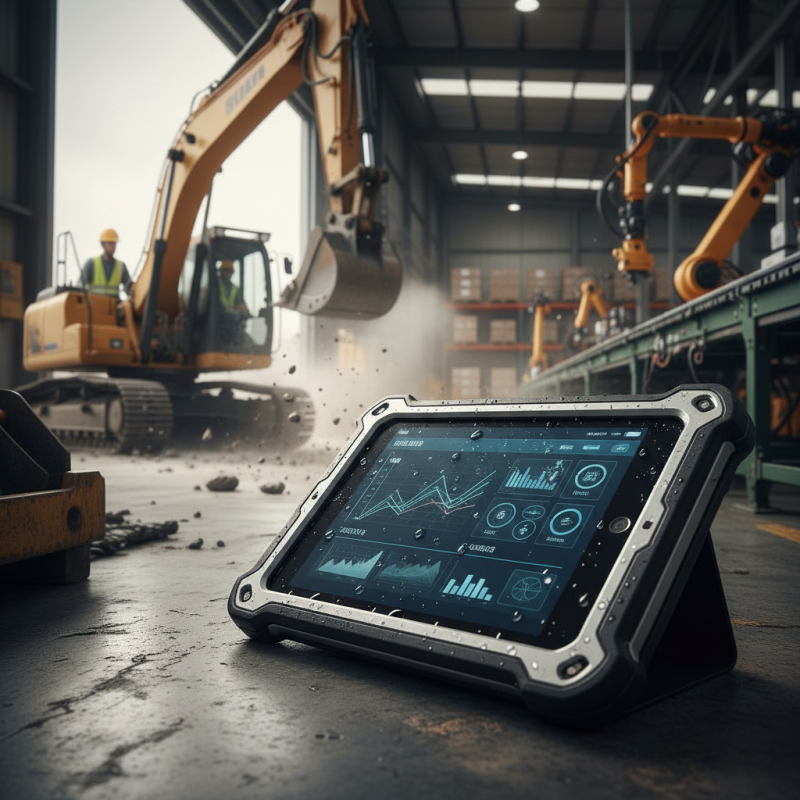
Definition of Rugged Display and Its Key Features
Rugged displays are designed for durability in challenging environments. They are resistant to extreme temperatures, moisture, and shock. According to a report by MarketsandMarkets, the rugged display market is projected to reach $10.5 billion by 2027. This growth highlights the increasing need for devices that can withstand tough conditions, especially in industries like construction and logistics.
Key features of rugged displays include enhanced brightness and visibility. These displays can function well under direct sunlight. Moreover, they often come with anti-glare technology. This makes them ideal for outdoor use. A study from VDC Research indicates that nearly 70% of businesses using rugged devices reported fewer device failures. This highlights their reliability and lowers the total cost of ownership.
Businesses in various sectors face unique challenges. For example, workers in manufacturing often encounter harsh environments. Rugged displays can withstand impacts from heavy machinery. They reduce downtime and enhance productivity. However, the initial investment is often higher than traditional displays. Companies must weigh upfront costs against long-term benefits and improved efficiencies.
What is Rugged Display and Why Businesses Need It? - Definition of Rugged Display and Its Key Features
| Feature | Description | Importance for Businesses |
| Durability | Rugged displays are designed to withstand harsh environments, including extreme temperatures, vibration, and shock. | Reduces replacement costs and downtime in field operations. |
| Water and Dust Resistance | Rated for high levels of ingress protection (IP ratings) which prevent damage from water and dust. | Ensures reliability in outdoor and industrial environments. |
| Brightness | High luminance levels for visibility in direct sunlight. | Helps in outdoor operations, improving productivity in bright conditions. |
| Touch Sensitivity | Optimized for multi-touch and glove operation. | Enhances usability in various work environments, including cold storage or construction. |
| Long Lifespan | Designed for extended use with minimal performance degradation over time. | Maximizes return on investment through longevity and reliability. |
Importance of Rugged Displays for Various Business Sectors
Rugged displays play a crucial role in several business sectors, especially those that operate in demanding environments. According to a report by Industry Research, the global rugged display market is projected to grow by 6.5% annually. This growth highlights the increasing reliance on durable devices in industries like manufacturing, logistics, and construction. These environments often expose equipment to harsh conditions, including extreme temperatures, moisture, and physical shocks.
In logistics, for example, the need for rugged displays is evident. Data from Statista indicates that logistics and transportation companies face over 20% of equipment failures due to environmental factors. A rugged display can withstand these challenges. They often come with features like anti-glare screens and resistance to dust and water. This ensures that workers can access critical information, even in less-than-ideal conditions. The importance of rugged displays extends to healthcare as well. Medical professionals need reliable devices that can endure frequent sanitization. Imagining a healthcare facility without sturdy equipment can lead to operational inefficiencies.
Despite their advantages, adopting rugged displays can pose challenges. The upfront investment is higher than standard displays. Companies may initially hesitate to make this transition. However, considering the long-term savings on repairs and replacements makes rugged displays a wise choice. In the end, assessing the cost versus benefit is essential for any business. It requires careful examination of their specific needs against the potential risks of equipment failure.
Advantages of Using Rugged Displays in Challenging Environments
Rugged displays are designed for harsh environments. Businesses operating in construction, manufacturing, or outdoor settings benefit significantly from these devices. They resist extreme temperatures and vibrations. These displays are often waterproof and dustproof, ensuring functionality in adverse conditions.
Using rugged displays enhances productivity. They reduce downtime due to device failure. Workers can rely on their devices even when exposed to rain or heavy machinery. Many rugged displays also feature anti-glare screens. This helps visibility in bright sunlight, a common issue in outdoor jobs.
Some challenges remain, however. Rugged displays can be more expensive initially. This might deter some companies from making the investment. Additionally, heavy-duty screens may lack the touchscreen sensitivity found in consumer electronics. Balancing durability and usability is essential for businesses. Careful consideration is necessary before transitioning to rugged options.
Comparison of Rugged Displays vs. Standard Displays
Rugged displays are designed for extreme conditions. They outperform standard displays in durability and visibility. Rugged screens can withstand drops, humidity, and high temperatures. This makes them vital for industries like construction, manufacturing, and military sectors. Standard displays falter quickly in harsh environments, leading to costly repairs.
In contrast, standard displays are more fragile. They may be suited for everyday use, but they lack the robustness needed for fieldwork. They are prone to scratches and cracks. Additionally, standard displays often struggle in direct sunlight, impairing visibility. Rugged displays use enhanced technologies to ensure better readability under different lighting conditions.
Businesses must consider their environments. The choice between rugged and standard displays should reflect operational needs. While rugged displays often cost more, they offer long-term savings. Investing in such technology can minimize downtime and maintenance. However, some organizations hesitate, unsure if the investment is justified. It's important to weigh potential risks and benefits carefully.
Factors to Consider When Choosing Rugged Display Solutions
When selecting rugged display solutions, several factors come into play. Key considerations include operating environment, durability standards, and display technology. Understanding these aspects ensures that the display can withstand various challenges. Environments such as factories or outdoor job sites demand displays that resist shock, extreme temperatures, and moisture.
Choosing the right size and resolution is crucial. A display that is too small may hinder visibility, while one that is excessively large can lead to additional weight and bulk. Also, consider the ease of installation and integration with existing systems. The user interface should be intuitive. Complicated interfaces can lead to operator errors and inefficiencies in critical situations.
Performance is essential, but reliability is paramount. Displays must maintain functionality under stress or poor conditions. Sometimes, businesses overlook the need for robust technical support. Assessing the warranty and service options can make a significant difference in long-term satisfaction. Reflecting on these factors can prevent costly mistakes in the selection process.
Rugged Display Solutions: A Comparison of Key Features
Rugged displays are essential for businesses operating in challenging environments. This chart compares key features of rugged display solutions, highlighting critical specifications that may affect a business's decision when selecting appropriate technology.



.avif)


.png)