What is Temporary Storage and How Does It Work?
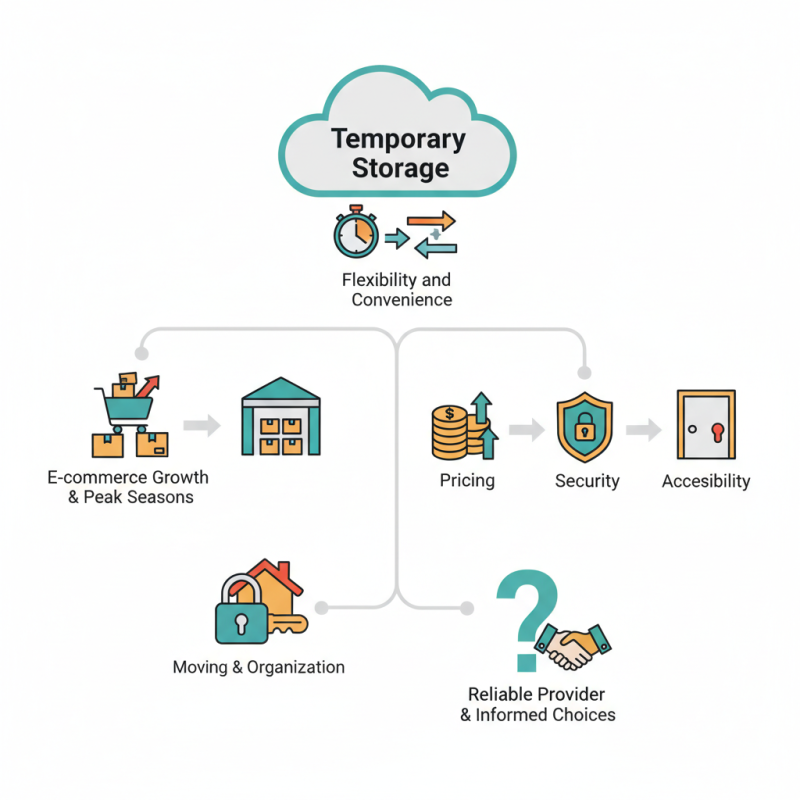
Temporary Storage plays a vital role in today's fast-paced world. It provides businesses and individuals a solution for storing goods temporarily, addressing immediate needs without long-term commitments. Leading expert in the field, Dr. Emily Thompson, emphasizes, "Temporary storage is not just about space; it’s about flexibility and convenience."
In recent years, the growth of e-commerce has increased the demand for temporary storage solutions. Businesses often require extra space for inventory during peak seasons. Moreover, individuals face unexpected circumstances, like moving or renovation, which necessitate temporary storage options. This flexibility allows for better organization and management of both personal and professional assets.
However, the choice of temporary storage can sometimes lead to uncertainty. Factors like pricing, security, and accessibility must be carefully considered. It is important to choose a reliable provider, as the quality of service can vary significantly. Users often struggle with these decisions, highlighting the need for informed choices in temporary storage.
Definition and Characteristics of Temporary Storage
Temporary storage refers to short-term holding of goods or data. It usually serves a specific purpose. This storage method often supports businesses during peak times. For example, excess inventory during holidays might need temporary housing. Understanding this process is crucial for efficient operations.
Characteristics of temporary storage include flexibility and accessibility. This type of storage often adapts to fluctuating demands. Businesses can quickly scale up or down. However, it may lack long-term stability. Improper management can lead to disorganization. It’s essential to monitor stored items closely.
Temporary storage can also present challenges. Space constraints often arise, especially in urban areas. Cost can be an issue, as temporary solutions may seem economical but aren't always. Proper planning is vital to avoid unnecessary expenses. Evaluating needs regularly helps ensure effective use of these resources.
Temporary Storage: Usage Statistics
Types of Temporary Storage Solutions Available
Temporary storage solutions are essential for businesses and individuals needing flexibility. Various options cater to diverse needs. Here are some common types of temporary storage.
Self-storage units are among the most popular choices. In 2022, the self-storage industry in the U.S. generated about $39 billion in revenue, reflecting its widespread use. Customers can rent these units on a monthly basis, providing flexibility for short-term or long-term needs. Containers or portable storage options are also valuable. These can be delivered to your location, making them convenient for those in transition.
Mobile storage units offer the advantage of onsite accessibility. According to industry reports, this market is expected to grow steadily, reaching a projected value of $7.5 billion by 2027. Public storage facilities also serve businesses needing extra space without long-term commitments.
Tip: When selecting a temporary storage solution, evaluate your specific space requirements and budget.
Consider the environmental impact of your choice. Some facilities promote sustainability through eco-friendly practices. Exploring these options can contribute to a greener future.
Tip: Always read customer reviews to ensure you're choosing a reputable facility. Security features should also be a priority for the safety of your belongings.
Types of Temporary Storage Solutions Available
| Storage Type | Description | Use Cases | Duration |
| Self-Storage Units | Private spaces for individuals or businesses to store items. | Moving, decluttering, or storing seasonal items. | Short-term to long-term. |
| Cloud Storage | Online storage of data and files accessible via the internet. | Backing up files, sharing documents, and collaboration. | Flexible, often billed monthly. |
| Portable Storage Containers | Weatherproof containers delivered to your location. | Renovations, moving, or temporary storage needs. | Short-term, usually 1-3 months. |
| Warehouse Storage | Large spaces for bulk storage of goods. | Business inventory management and distribution. | Short to long-term, depending on the contract. |
| Virtual Storage | Temporary storage of digital assets, often combined with services. | Project-based work or event planning. | Typically short-term, as needed. |
How Temporary Storage Works: Key Processes Explained
Temporary storage refers to keeping items for a limited time. This practice is common in various industries. Understanding how temporary storage works can help optimize processes.
In temporary storage, items are collected, organized, and stored. These steps involve assessing the items, selecting the right containers, and ensuring proper placement. Proper organization is key. It allows for easy retrieval. Misplacement can lead to confusion and delays.
Tips: Always label containers clearly. This prevents mishaps during retrieval. Use transparent boxes to see contents without opening them. Regularly review stored items and remove what is no longer needed. This helps keep the storage space efficient.
Temporary storage can be tricky. Managing space effectively requires constant attention. A common issue is overestimating storage needs. This can lead to clutter and poor organization. Regular evaluation of what is stored is essential for an efficient setup.
Benefits of Utilizing Temporary Storage for Individuals and Businesses
Temporary storage offers significant advantages for both individuals and businesses. For those moving to a new home, it can provide a seamless transition. You can store belongings safely while preparing for the move. This gives you the flexibility to take your time, reducing stress. Similarly, businesses often face changes in inventory or require extra space during projects. Temporary storage allows them to scale operations without a long-term commitment.
Using temporary storage is also cost-effective. Instead of renting a larger office or home space, individuals and businesses can save money. Additionally, it reduces the risk of overcrowding. When items are tucked away, it creates a more organized environment. However, one might worry about security. Not all facilities provide top-notch protection. Choosing reliable services becomes essential to safeguard your belongings.
Flexibility is another key benefit. Individuals might need storage during renovation or life transitions, while businesses might use it during seasonal demand changes. However, planning is crucial. Rushing into a temporary storage option can lead to oversight. It’s important to consider the duration and specific needs before deciding.
Considerations When Choosing a Temporary Storage Option
When choosing a temporary storage option, various factors must be considered. Location is key. A facility closer to your home or workplace can save time and travel expenses. According to the Self Storage Association, nearly 1 in 10 American households rented a unit in 2020. Proximity matters, especially during busy moving periods.
Security features also play a crucial role. Look for facilities that offer 24/7 surveillance, gated access, and on-site staff. A report from IBISWorld notes that the self-storage industry is growing at an annual rate of 3.3%. This growth indicates that more facilities are investing in better security technologies.
Consider the size of the unit. Not all storage needs are the same. Understanding your own inventory helps in choosing the right size. Many facilities provide size guides or even virtual consultations. However, clients often overestimate their needs. An efficient use of space can lead to cost savings. Therefore, measure your items carefully and plan accordingly. Don't rush this decision; doing so can lead to unnecessary expenses.



.avif)


.png)