Top 10 Energy Management Solutions for Businesses Today?
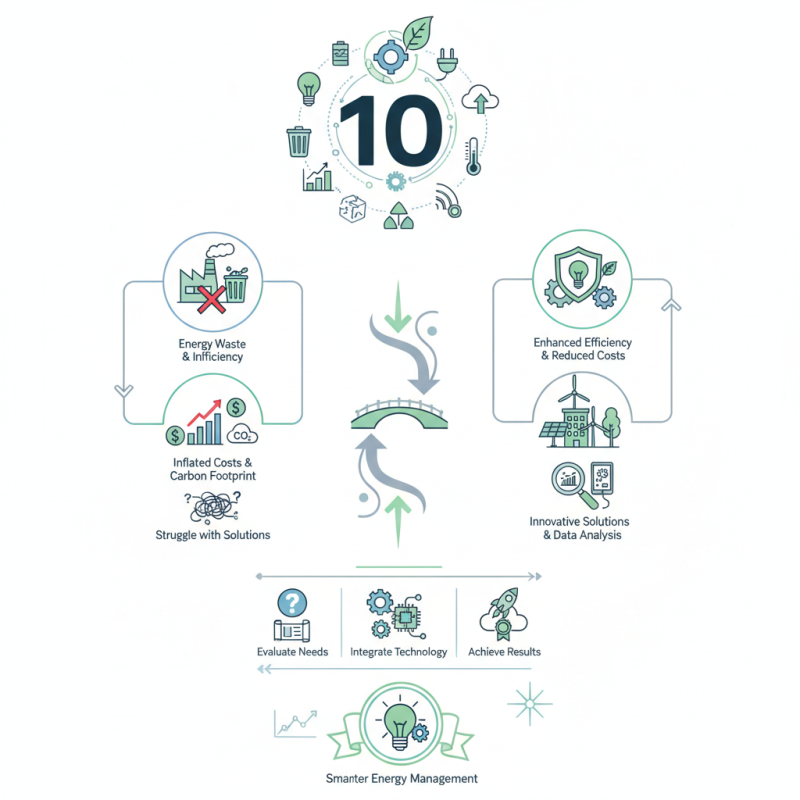
In today's fast-paced business landscape, companies face mounting pressure to enhance efficiency and reduce costs. Energy Management plays a crucial role in achieving these goals. As businesses strive for sustainability, adopting effective energy management solutions becomes vital. The right approach can lead to significant savings and lower environmental impact.
Many organizations struggle with energy waste and inefficiencies. This often results in inflated operational costs and contributes to a larger carbon footprint. A comprehensive energy management strategy addresses these challenges, offering companies the chance to optimize energy use. Innovative solutions can track consumption and identify areas for improvement.
Choosing the right energy management tools is essential for long-term success. Companies must evaluate platforms that suit their unique needs. Industry leaders often rely on integration of technology and data analysis to enhance performance. This journey toward smarter energy management might not be perfect, but with thoughtful implementation, businesses can achieve remarkable results.
Overview of Energy Management Solutions in Today’s Business Landscape
Energy management is crucial in the current business landscape. Companies face rising energy costs and stricter regulations. Adopting effective energy management solutions can help reduce waste. These solutions often encompass software tools, consulting services, and innovative technologies. Many businesses rely on real-time data analysis to track usage. This approach leads to informed decision-making and cost savings.
However, not all energy management systems are created equal. Some solutions may not integrate seamlessly with existing processes. This can lead to inefficiencies and frustration among staff. Businesses must critically evaluate the tools they choose. They should ensure that solutions align with their specific needs and objectives. Training employees to use these systems effectively is equally important.
The emphasis on sustainability has grown significantly. Companies recognize that energy efficiency directly impacts their bottom line. As a result, many are exploring renewable energy sources. They aim to reduce their carbon footprint. While making these shifts, it’s essential to remain aware of potential challenges. For instance, initial investments can be considerable. Balancing upfront costs with long-term benefits requires careful planning.
Key Features to Look for in Effective Energy Management Systems
When evaluating energy management solutions for businesses, consider key features for effectiveness. A user-friendly interface is essential. Employees must navigate the system easily. Visual dashboards can display real-time energy consumption data. This allows businesses to identify patterns quickly.
Data analytics is another crucial component. Advanced analytics can uncover energy-saving opportunities. These insights can drive strategic decisions. Look for systems that provide detailed reports on usage. Regular updates can help businesses stay informed about their energy performance.
Integration capabilities are also vital. A good system should connect with existing infrastructure. This ensures seamless data exchange. Additionally, energy management systems should support sustainability goals. They must adapt to changing regulations and technologies. A flexible solution can help companies remain competitive while reducing their carbon footprint.
Top Energy Management Software and Tools Available in 2023
In 2023, energy management software is vital for businesses aiming to reduce costs. These tools help track energy consumption and identify savings opportunities. Effective energy management software provides real-time data and analytics. This allows companies to make informed decisions quickly.
Selecting the right solution can be challenging. Many businesses may feel overwhelmed by the variety of options available. It’s essential to consider ease of use and integration with existing systems. A tool that doesn’t fit well can lead to wasted efforts. Sometimes, businesses overly focus on complex features, neglecting user-friendliness.
Tips for choosing energy management software:
Look for a platform that offers reliable support and training. This feature will help streamline implementation. Focus on solutions that provide actionable insights rather than just data. Prioritizing the needs of your team can lead to better adoption. Finally, remember that energy management should be an ongoing process, not a one-time project.
Benefits of Implementing Energy Management Solutions for Businesses
Energy management solutions are vital for businesses aiming to optimize their energy usage. Implementing these solutions can lead to substantial cost savings. According to a report by the International Energy Agency (IEA), companies can reduce energy costs by up to 30% through effective energy management practices. This reduction not only impacts the bottom line but also improves sustainability efforts.
Many businesses face challenges when managing energy resources. Reports indicate that nearly 60% of organizations struggle with excessive energy waste. By adopting specialized energy management systems, companies can monitor their energy consumption in real-time. This monitoring helps identify inefficiencies and promotes informed decision-making. Over time, these changes contribute to enhanced operational resilience and optimized resource allocation.
Furthermore, energy management solutions can improve corporate reputation. The Carbon Disclosure Project states that 75% of consumers consider sustainability practices when choosing brands. Businesses that demonstrate a commitment to energy efficiency often experience increased customer loyalty. While navigating energy management may seem daunting, the potential rewards make it necessary to reflect on current practices and explore innovative solutions.
Case Studies: Successful Energy Management Implementation in Companies
In today's competitive business landscape, effective energy management can drive significant savings and sustainability. Companies like manufacturers and retailers have seen success through innovative practices. For instance, one manufacturing plant implemented a real-time monitoring system. This allowed them to identify excessive energy use and reduce costs by 15%. By analyzing energy data, they also discovered peak usage times and optimized operations accordingly.
A retail company focused on employee engagement in its energy-saving initiatives. Staff members were encouraged to suggest improvements. Their team proposed simple actions like turning off lights and using energy-efficient appliances. As a result, energy consumption declined by 20%. Employee involvement fostered a culture of sustainability that benefitted everyone.
**Tip:** Consider forming a dedicated team to explore energy management strategies. This can lead to new ideas and better implementation. Open communication with employees also helps gather useful feedback.
It's also important to recognize potential challenges. Not every initiative will yield immediate results. Companies may need to adjust strategies based on trial and error. Regularly review and adapt your energy management plan. This ensures continuous improvement and sustained energy efficiency.



.avif)


.png)