Why Is a Localization Platform Essential for Global Buyers?
Global buyers expect more than a translated product page. They want prices, measurements, payment options, delivery terms, and support that feel familiar. A small misunderstanding can delay an order or damage trust. For example, a buyer in Germany may need centimeters, euros, and clear tax information. A customer in Japan may expect different address fields and polite service language.
A localization platform helps companies manage these details across markets. It connects translation workflows, product data, regional content, and quality checks in one place. Teams can update thousands of product descriptions without editing every market manually. They can also review terminology, track changes, and maintain consistent brand language. This practical control matters when catalogs change every week.
But technology alone is not enough. Poor source content still creates poor local experiences. Cultural review remains important. Local specialists can identify unclear claims, awkward wording, or unsuitable images before publication. A reliable localization platform should support human review, not quietly replace it. That assumption can fail. Even experienced teams miss regional preferences when they rely only on automation. Effective localization combines structured data, expert judgment, and continuous testing. It helps global buyers understand what they are purchasing, what it costs, and what happens after checkout. Confidence grows from these visible details. Not from translation alone.
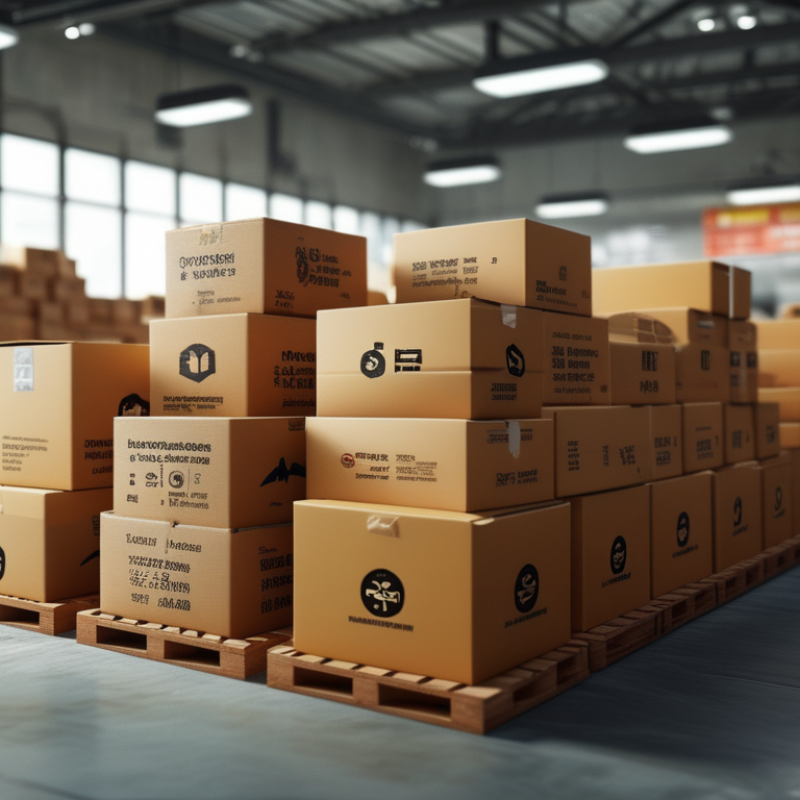
What Is a Localization Platform?
A localization platform is a central workspace for adapting digital content across languages and markets. It helps teams manage translation, cultural review, terminology, and publishing in one connected process. Unlike basic translation software, it stores context around each sentence. Screenshots, character limits, and product notes can guide language specialists. This reduces repeated questions and prevents inconsistent wording. Small details matter.
In practice, a product manager may upload a new checkout message in the morning. The platform can route it to the right reviewer, record changes, and return an approved version. Reviewers can compare old and new wording beside the original content. Terminology rules keep key phrases consistent across product pages, emails, and support articles. Context matters. A short button label may need a very different translation than a full instruction. Automated checks can flag missing variables, broken formatting, or excessive length. Still, automation is not perfect. An accurate sentence can sound cold, confusing, or strangely formal to local buyers.
A dependable platform also records who reviewed each change and when it was published. Permission controls reduce accidental edits, while version history supports transparent corrections. Language specialists can test content in realistic layouts, such as a narrow mobile screen or a crowded payment form. Performance reports may reveal slow review cycles or repeated terminology errors. However, data alone cannot explain every cultural reaction. Teams should combine reports with native feedback and customer observations. That process can feel slower than expected. It is often more trustworthy.
Why Global Buyers Need Localized Shopping Experiences
Why Is a Localization Platform Essential for Global Buyers?
Global buyers expect more than translated product pages. They want familiar prices, measurements, delivery promises, and payment choices. The 2020 Can’t Read, Won’t Buy report by CSA Research found that 76% of consumers prefer products with information in their own language. Even more striking, 40% would not buy from websites using another language.
Small details matter. A shopper in Tokyo may expect prices in yen and delivery dates in local time. A buyer in Paris may look for metric dimensions, clear tax information, and a familiar payment method.
The 2024 Global Payments Report from Worldpay reported that digital wallets represented 50% of global e-commerce transaction value in 2023. A localization platform helps connect these expectations across markets. It can manage currencies, language variations, regional content, and payment experiences from one workflow.
Still, localization is not a magic switch. Poor translations can feel mechanical. Incorrect seasonal references can look careless. Teams also overlook search terms that local buyers actually use. That is where human review remains important. Reliable localization combines data, native-language expertise, and continuous testing. It should examine checkout screens, product filters, support messages, and mobile layouts. Buyers notice the details.
Sometimes, the smallest mismatch creates the strongest doubt.
How Localization Platforms Adapt Content, Currency, and Payments
Global buyers expect more than a translated product page. They want familiar language, prices, and payment choices. CSA Research found that 76% of online shoppers prefer products with information in their own language, while 40% will not buy in another language. A localization platform connects these expectations inside one workflow. It can adapt product descriptions, measurements, delivery terms, and support messages for each market.
Currency matters at the checkout screen. Showing euros, yen, or pesos can make a price easier to understand, but conversion rates must stay current. The platform should also display taxes, rounding, and shipping costs clearly. Payment behavior differs sharply across regions. The 2024 Global Payments Report states that digital wallets represented about half of global e-commerce transaction value in 2023. A localized checkout may therefore offer wallets, bank transfers, cards, or local payment services based on the buyer’s location.
Automation reduces manual errors, but it is not flawless. A translated slogan may sound strangely formal, and a currency conversion can confuse customers when rates change quickly. Baymard Institute research places average online cart abandonment near 70%, showing how small checkout problems can matter. Experienced teams should test local pages with native reviewers, monitor failed payments, and correct awkward wording. That extra review costs time. It can also prevent a very expensive misunderstanding.
Why Is a Localization Platform Essential for Global Buyers?
Global buyers use different payment methods across markets. A localization platform helps merchants adapt checkout experiences to local payment preferences, currencies, languages, and regulations.
Global e-commerce transaction value by payment method, 2023. Digital wallets represented approximately 50%, cards 22%, account-to-account payments 7%, buy now pay later 5%, cash-based methods 3%, and other methods 13%.
Source: Global Payments Report, 2024 edition.
How Localization Improves Trust, Compliance, and Customer Experience
Why Is a Localization Platform Essential for Global Buyers?
How Localization Improves Trust, Compliance, and Customer Experience
Global buyers notice small details before they notice product features. A familiar language, local currency, and correct date format make a store feel safer. Address fields should match regional habits, not force every customer into one template. These details reduce hesitation during checkout and show practical respect.
Compliance also depends on accurate localization. A platform can help manage consent notices, tax information, product descriptions, and required disclosures across markets. However, automation is not enough. Regulations change, and translations can miss important legal meaning. Experienced reviewers should check sensitive content before publication. That extra step may feel slow, but a fast mistake can damage credibility.
Customer experience improves when support hours reflect local time zones. Clear delivery estimates matter too. A buyer in one country may expect business days, while another expects calendar days. Localization platforms help teams coordinate these differences from one workflow. Still, localized text can sound technically correct and emotionally cold. Regular feedback from local users is necessary. Some assumptions will be wrong. A platform should make those errors visible, easy to correct, and less likely to spread across every market.
How to Evaluate a Localization Platform for Global Commerce
Why Is a Localization Platform Essential for Global Buyers?
How to Evaluate a Localization Platform for Global Commerce
A localization platform should be judged by buying outcomes, not translation volume. CSA Research reported that 76% of online shoppers prefer product information in their native language. Its study also found that 40% would not purchase in another language. These figures make language quality a commercial requirement, not a decorative feature.
In practice, evaluate how the platform handles product descriptions, checkout messages, currencies, and customer support content. It should connect with commerce systems and preserve terminology across every channel. Look for translation memory, glossary controls, human review, and clear approval workflows. Measure time to publish, error rates, and content reuse. A dashboard full of activity is not enough.
Test the platform with real product pages. Include measurements, safety instructions, returns language, and culturally sensitive images. Ask whether reviewers can see changes in context. ISO 17100 identifies competence, review, and project management as important translation-service requirements. Security also deserves direct questions about access controls, data retention, and vendor permissions.
Perfect automation is a myth. Human judgment still matters.
A useful pilot can compare native-speaker ratings, search visibility, conversion rates, and support tickets across two markets. However, one short test may hide seasonal language problems. Recheck performance after launch, especially when product information changes quickly. The cheapest platform may create expensive corrections later.









.avif)


.png)