Choosing localization services in 2026 means looking beyond translated words. A product page may read smoothly yet still confuse shoppers through unfamiliar measurements, awkward date formats, or unclear payment instructions. Quality localization connects language, cultural context, technology, and review processes across the customer journey.
The commercial stakes are measurable. CSA Research’s 2020 report, Can’t Read, Won’t Buy, surveyed 8,709 consumers across 29 countries. It found that 76% preferred product information in their own language, while 40% said they would not buy from websites in other languages. Nimdzi’s 2024 industry analysis estimated global language-services revenue at approximately US$71.7 billion for 2023. These figures signal demand, not guaranteed results; buyer preferences and provider performance vary by market.
This guide compares leading localization services by practical needs: website and software localization, multilingual content operations, terminology management, human review, and machine translation workflows. Look for evidence such as supported languages, quality assurance methods, security practices, integration options, and experience in your industry. Ask how a provider handles regional variants, like Brazilian and European Portuguese, or checks text inside a mobile interface. Small details matter. No single provider is best for every team, and published rankings can hide important differences. Treat this comparison as a starting point, then test shortlisted providers with real content and clear quality criteria.
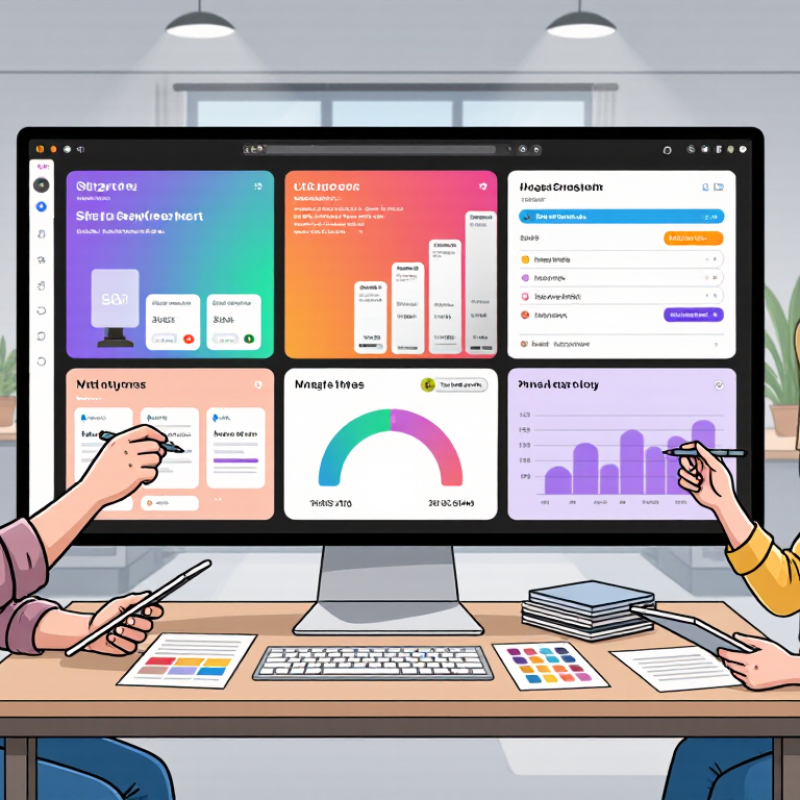
Localization services adapt more than words. They prepare websites, apps, support materials, and product content for specific languages and markets. Typical work includes translation, terminology management, cultural review, and local formatting for dates, prices, and addresses. Some projects also need voice recording or changes to images and examples. Small details matter.
The process often begins with a content and technical review. Teams identify the target audiences, file types, brand terminology, and release schedule. Translators then work with context, such as screenshots showing whether a short label belongs on a button or menu. Reviewers check meaning and tone, while engineers connect translated text to the product. A text that fits in English may overflow a narrow mobile button in another language.
Quality checks combine human review with functional testing. Reviewers look for inconsistent terms, missing text, awkward phrasing, and layout problems on real screens. Automated checks can flag issues, but they may miss humor that feels rude or an instruction that sounds unclear. No workflow catches everything. Teams should record feedback and update glossaries between releases. One imperfect step is treating approval as proof that users will understand; local testing can reveal what desk reviews miss.
| Service | What It Includes | How It Works | Typical Deliverables | Best Suited For |
|---|---|---|---|---|
| Document Translation | Translation of written materials, such as manuals, reports, contracts, and customer information. | Source files are reviewed, translated by language professionals, edited, and checked against the original for completeness and accuracy. | Translated documents, terminology notes, and—when requested—a bilingual review copy. | Organizations that need accurate written content for readers in another language. |
| Website Localization | Translation and adaptation of website text, navigation, forms, metadata, and locale-specific content. | Text is extracted from the site or content system, adapted for the target locale, then integrated and tested in context. | Localized page content, locale-ready metadata, and a list of issues found during review. | Websites serving audiences in multiple languages or regions. |
| Software and App Localization | Adaptation of interface text, help content, date and number formats, currency displays, and other locale-dependent elements. | Text resources are translated within software constraints; builds are reviewed to catch truncation, layout problems, and functional issues. | Localized resource files, linguistic feedback, and in-context test results. | Mobile apps, desktop software, online services, and digital products. |
| Multimedia Localization | Translation and adaptation of video or audio content, including subtitles, captions, voice-over scripts, or dubbing scripts. | Transcripts are prepared or reviewed, translated, timed or adapted to fit the medium, and checked during playback. | Subtitle or caption files, translated scripts, and—if included in scope—localized audio. | Training, marketing, entertainment, and informational media. |
| Transcreation | Creative adaptation of messages, tone, slogans, and campaign content for a different cultural and linguistic audience. | Briefs establish audience, intent, and constraints; writers create and refine options, which are reviewed for meaning, tone, and cultural suitability. | Adapted copy, alternative wording, and notes explaining creative choices. | Advertising, brand messaging, and other content where persuasive effect matters as much as literal wording. |
| Terminology Management | Creation or maintenance of approved terms, definitions, usage guidance, and translations for a subject area. | Terms are collected, researched, reviewed by relevant stakeholders, and stored for consistent use across content and projects. | Glossaries, term records, and guidance on preferred or discouraged usage. | Long-running, technical, regulated, or multilingual content programs. |
| Machine Translation Post-Editing | Human review and correction of machine-generated translations to meet an agreed quality level and intended use. | A suitable machine-translation workflow produces a draft; an editor checks meaning, language, terminology, and any specified requirements. | Post-edited target text and, where agreed, a record of unresolved source issues. | Content volumes or turnaround needs that justify machine-assisted translation, subject to suitable content and quality review. |
| Localization Quality Assurance | Linguistic and functional checks of localized content in its actual layout or software environment. | Reviewers inspect target-language text and test relevant screens, links, formats, and workflows; issues are logged for correction and retesting. | Issue reports, corrected text suggestions, and retest results. | Websites, apps, software releases, and designed documents before publication. |
| Desktop Publishing and Layout Adaptation | Formatting of translated content in print or digital layouts, including attention to text expansion, fonts, and right-to-left layouts where applicable. | Localized text is placed into design files, layouts are adjusted, and final files are checked for readability and visual consistency. | Print-ready or digital layout files and proofs for review. | Brochures, catalogs, reports, forms, and other designed materials. |
| Interpreting | Spoken-language communication support, delivered on site, by telephone, or through video. | An interpreter conveys spoken messages between participants, using consecutive or simultaneous interpreting as appropriate to the setting. | Interpreting coverage for scheduled meetings, appointments, events, or calls. | Meetings, interviews, public services, healthcare encounters, and multilingual events. |
How to choose: The right service depends on the content type, audience, target locale, risk level, delivery format, and required review. Many projects combine several services—for example, translation, terminology review, layout adaptation, and in-context quality assurance.








.avif)


.png)